Can You Swim In Tolantongo?
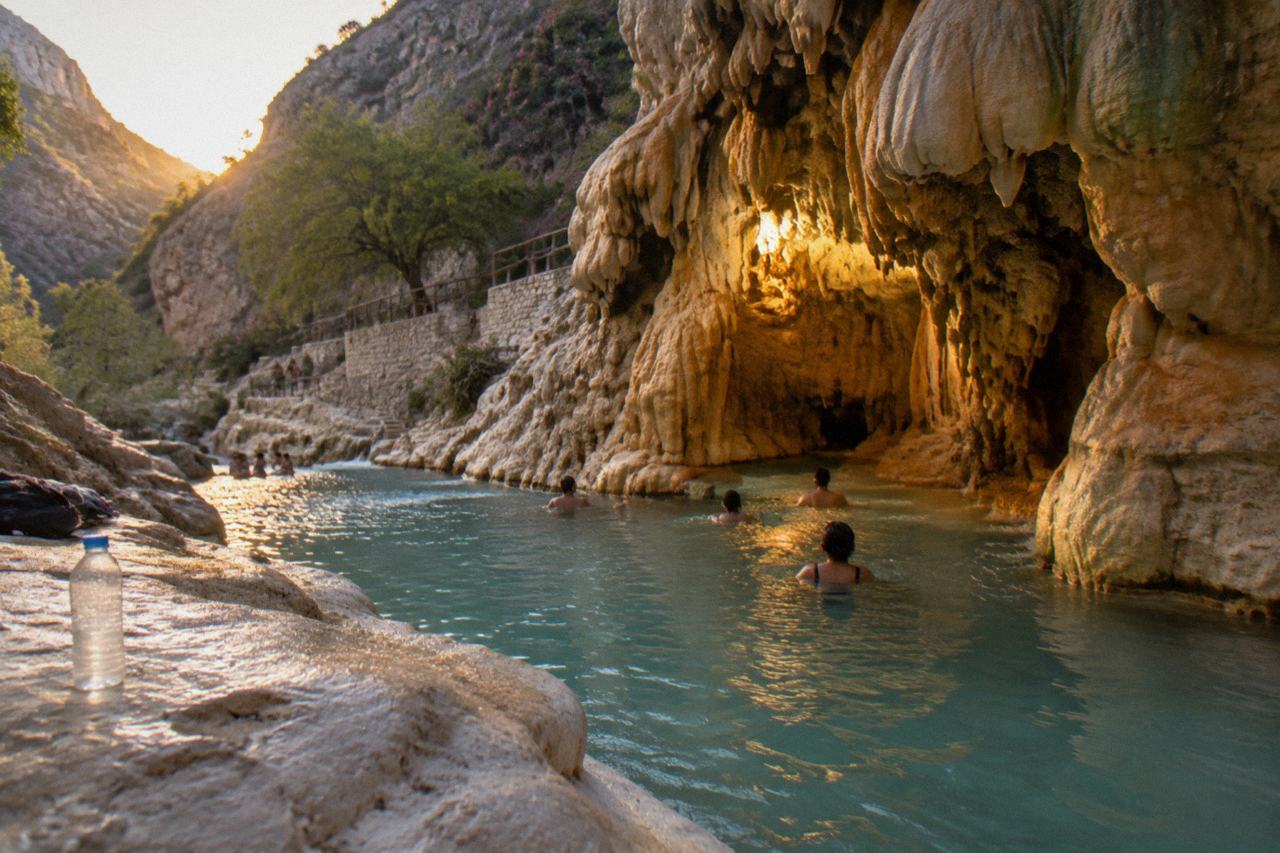
Yes, swimming is allowed across most of Grutas de Tolantongo: the cave, the steam tunnel, dozens of thermal pools and the warm river. Here is exactly where you can swim, where you cannot, and what the rules say.
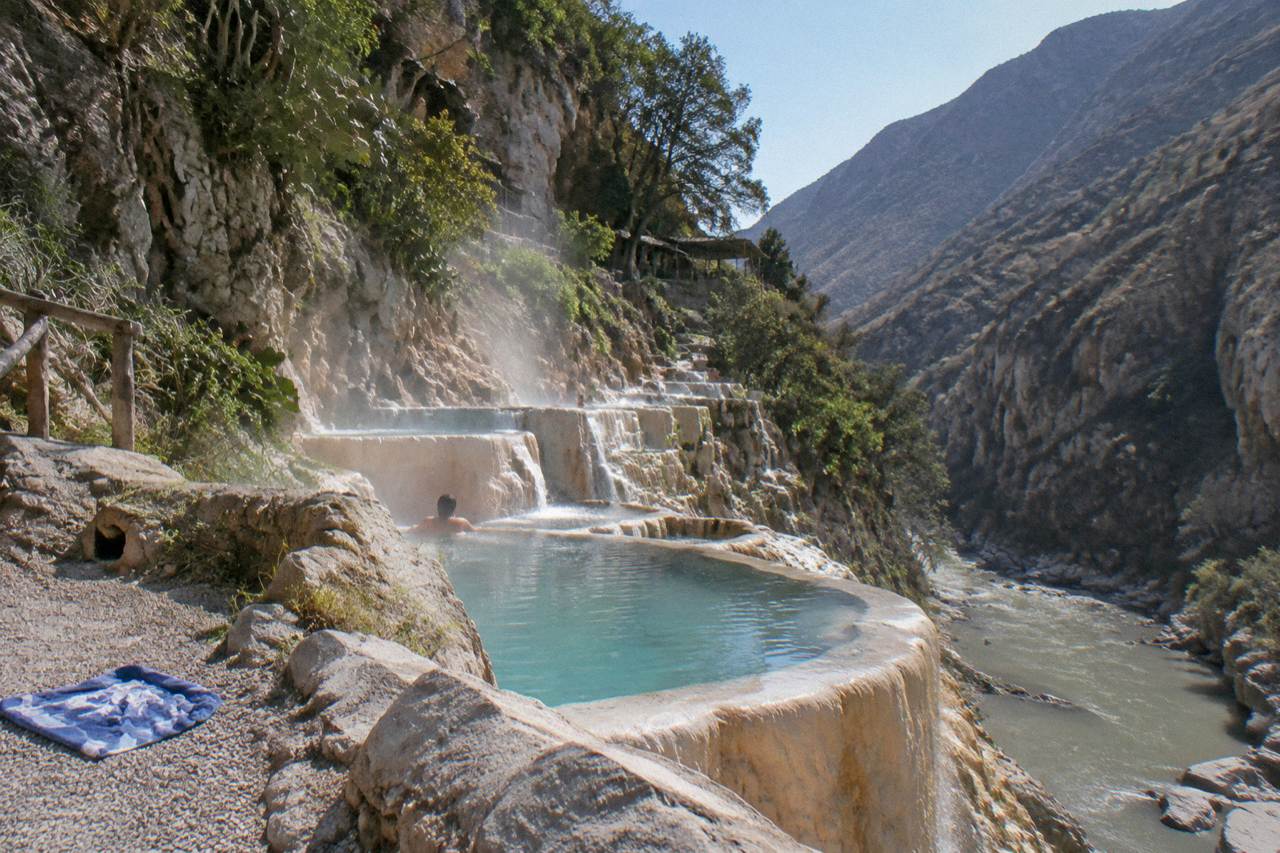
Thermal water is the reason Grutas de Tolantongo exists as a destination at all. The park sits at 1,280 metres above sea level in the Mezquital Valley of Hidalgo, and every drop that reaches the surface arrives at 36 to 38 degrees Celsius, warm enough that steam hangs over the canyon on cool mornings. Visitors ask one question before almost any other: can you actually get in the water? The short version is yes, in most of it, with a swimsuit and without soap. If you're weighing more than just the water, our guide to staying safe at Grutas de Tolantongo covers the canyon descent, slippery rock, and why a guided day tour removes most of the risk.
Yes, swimming is allowed and encouraged across nearly all of Grutas de Tolantongo. One entrance ticket of 230 MXN covers both zones, La Gruta and Paraiso Escondido, and in both you can swim in the cave, the steam tunnel, dozens of cliffside pools and the thermal river. The only firm bans are soap, shampoo, food, drink and pets in the water, plus the river itself during heavy rain. If this kind of soak appeals to you, our roundup of natural hot springs across Mexico points you to other places to take a warm dip.
The water is genuinely thermal, not heated. It emerges at a constant 36 to 38 C, and the park states that temperature holds year-round, which is why the site stays busy even on December nights when the canyon air drops cold enough to need a jacket. Swimsuits are required in the cave, tunnel, river and pools, and the park's rule pages repeat it for each attraction. There is no chlorine anywhere in the system; what you swim in is mineral water that has risen through rock, which is also why the park asks visitors to leave jewellery and valuables out of the water, since the minerals can strip metal.
For most visitors arriving from the capital, swimming time is the scarce resource. The drive from Mexico City runs about 201 km and roughly 3 hours 50 minutes per the park's own distance page, so a day trip spends around four hours on site. That is enough for the cave, a soak in the pools and a stretch of the river if you arrive early. The early express departure from Mexico City, a 13-hour shared trip rated 4.9 across 680 reviews from $133 per person, exists precisely to buy that extra hour of water time, and the full-day Exploring the Waters of Tolantongo tour, 14 to 16 hours and 4.8 across 1,575 reviews from $134, takes a slower pace through the same water. How much swimming you fit in depends less on permission and more on timing. If you want to add the steam tunnel to that itinerary but enclosed spaces worry you, our guide to Tolantongo tunnel safety lays out what the park's rules and layout actually allow.
Where Swimming Is Allowed: The Two Zones
Both of Tolantongo's zones are fully swimmable, and one ticket covers both. On the La Gruta side you swim inside the cave and the steam tunnel. Across the canyon in Paraiso Escondido you swim in dozens of terraced pozas built into the cliffside and in the large swimming pools. The thermal river runs through both and is swimmable along its course.
The two sides of the canyon are distinct experiences. La Gruta is the namesake attraction, a large cavern where warm water pools inside the rock, and beside it the tunnel, a passage of hot vapour and water that the park lists among its core attractions. Paraiso Escondido is the postcard view: thermal pools stacked down the canyon wall, the ones in every photograph of Tolantongo. The park's official pozas page states plainly that you do not need to be a hotel guest to use the pozas, they are open to every ticket holder. Reports commonly describe around forty pozas, though the park itself publishes no exact count, so treat the number as dozens rather than a figure.
Hours matter here. The park's information page sets the caves, tunnel, waterfalls and pools from 8 am to 5 pm, while some thermal pozas and the river stay open until 9 pm. The ticket itself is valid 7 am to 8 pm, not a full 24 hours. A swimmer arriving at 3 pm can still use the river and some pozas after the main pools close, which is one reason late-running tours still deliver value.
| Water attraction | Zone | Swimmable | Hours |
|---|---|---|---|
| Gruta (cave) | La Gruta | Yes, swimsuit required | 8 am to 5 pm |
| Steam tunnel | La Gruta | Yes, swimsuit required | 8 am to 5 pm |
| Cliffside pozas | Paraiso Escondido | Yes, no hotel stay needed | Some until 9 pm |
| Swimming pools (albercas) | Paraiso Escondido | Yes | 8 am to 5 pm |
| Thermal river | Through the canyon | Yes, shallow, rain dependent | 8 am to 9 pm |
| Zipline and bridge | Paraiso Escondido | Not swimming | 8 am to 5 pm |
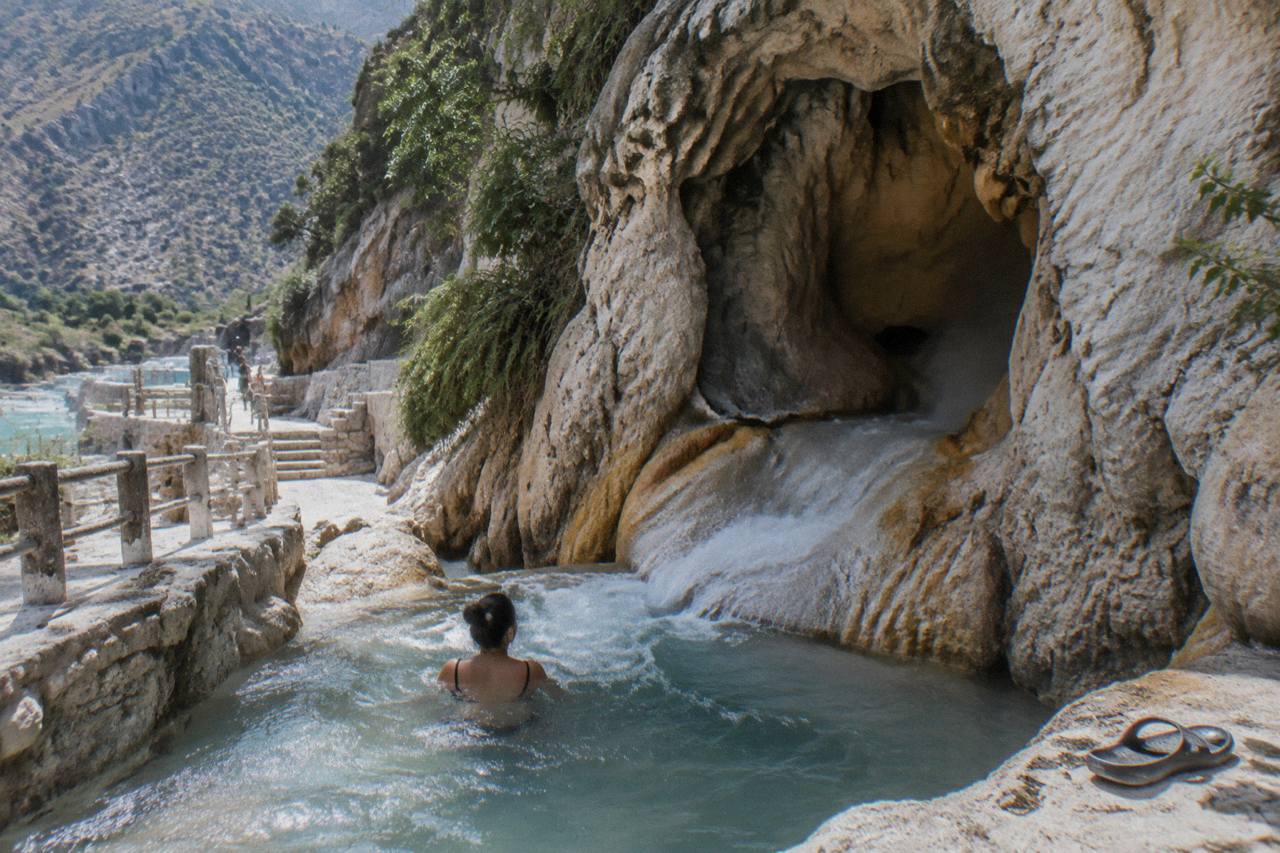
If you are working out which tour matches the swimming you want, the small-group cave tour from Mexico City run by Amigo Tours, 14 hours, 4.6 across 352 reviews from $92 per person, is the budget-friendly way to reach all of the above, and its listing spells out access to the grotto, river, pools and hot springs. You can compare it against other options on the Grutas de Tolantongo Tours homepage picker.
Can You Swim In The Tolantongo River?
Yes, the river is swimmable and the park permits it, but the river is shallow rather than deep, so it plays out more like wading and drifting than lap swimming. The official river page requires a swimsuit, warns visitors to stay away from the river during rain, and asks everyone to follow the instructions of security staff on site.
The Rio Tolantongo is the warm current that ties the canyon together, fed by the same thermal springs as the cave and the pozas. Because it runs shallow over a stony bed, swimmers mostly sit, float in the calm stretches or stand in the flow where it deepens behind natural ledges. The water stays at the same 36 to 38 C as everywhere else in the park. The riverbank is also where the hanging bridge and the waterfall views sit, so non-swimmers in your group still get a scene worth walking to.
The one standing caution is rain. In the rainy season, roughly June to September, heavy rainfall in the hills can push silt into the river and turn it from turquoise to brown, and the park closes stretches of the river and the lower pools while the water runs high. The park's own guidance is blunt: avoid the river when it rains and follow security staff. That is a condition, not a promise either way, so check the sky and the staff on the day. For more depth on the waterway itself, see the guide to the Tolantongo river and cliffside pools.
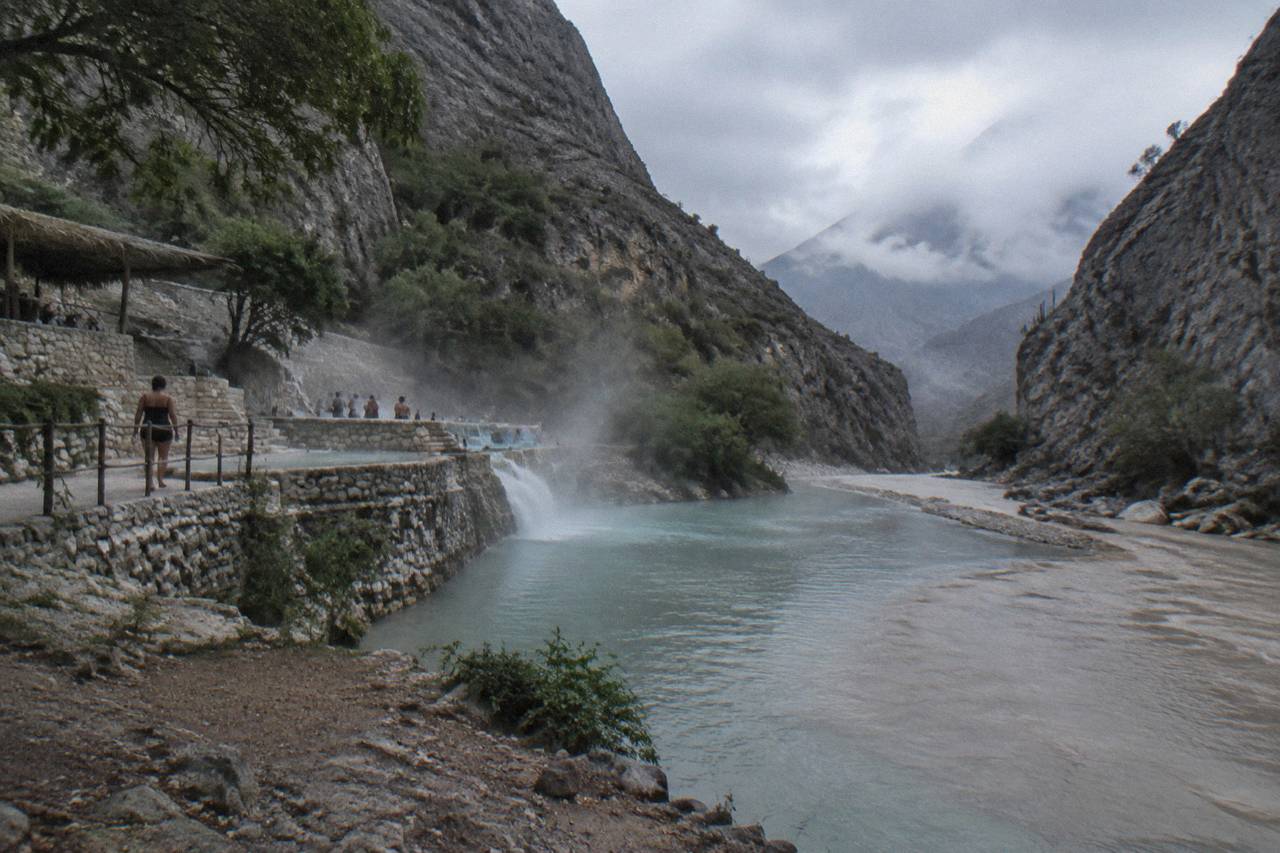
Tours that spend the longest beside the river suit swimmers best. The small-group Caves, Hot Springs and Waterfalls tour gives you a full block of on-site time, and some listings describe around four hours at the park for small-group departures, though the exact schedule is on each booking page.
What The Water Is Like: Temperature, Minerals And Clarity
Every swimmable spot at Tolantongo holds water between 36 and 38 degrees Celsius, warm like a heated bath, and the temperature is constant through the year. The water is mineral-rich and untreated, which is why it can strip jewellery and why soap and shampoo are banned. Clarity varies: pools run clear, while the river can turn brown for hours after heavy rain.
The warmth is what surprises first-time visitors. Air temperatures in the canyon swing from around 10 C on winter nights to summer heat in the middle of the day, but the water never moves, so a December swim means cold air on your shoulders and bathwater from the neck down. The cold-season contrast is part of the draw. In the rainy season the balance tips the other way: hot water under a hot sun feels heavier, and afternoon storms can change the river's colour within hours.
Because there is no chemical treatment, the park's rules protect the water rather than the swimmer's routine. No food, no drink, no soap and no shampoo in the cave, tunnel, river or pools. Swimwear only. The same mineral content that keeps the water warm is the reason the park advises leaving rings and chains at home or in a locker, lockers rent for 150 MXN with 50 MXN returned when you bring the key back.
The Swimming Rules The Park Enforces
The park's rules are short and strictly stated: swimsuit only in the cave, tunnel, river and pools; no food, drink, soap or shampoo in any of them; no pets anywhere in the park; no alcohol; and no firewood or gas brought in. Children aged 5 and over pay the full 230 MXN entry, under 5s enter free.
These are the park's own published rules, not suggestions from tour brochures, and staff do enforce them at the entrances to each attraction. The food rule has a companion detail worth knowing: you may bring food and non-alcoholic drinks into the park in cans or plastic bottles, but you may consume them only in the camping zone. Picnicking beside a pool is not part of the deal.
Payment is the other practical rule. Everything inside the park, entrance, lockers, restaurants, the zipline, runs on cash only. There is no ATM in the canyon, the nearest one is in Ixmiquilpan about an hour away, and the only mobile signal that works is Telcel. A swimmer who arrives card-only has a long, dry drive ahead. The park's official costs page lists every price in pesos, and the park warns that look-alike websites sell packages the park does not recognise, so buy tickets and tours from sources you can verify.
Do Tours Include Swimming Time, And How Much?
Yes, every Tolantongo day tour is built around water time, since the park provides no guides of its own and visits are self-guided once inside. A typical shared day trip from Mexico City runs 12 to 16 hours with roughly four hours on site. Tours cover transport and, on most listings, the entrance ticket; meals and towels are usually your own affair.
The park's excursion page states that the park itself provides no tourist guides, so what a tour sells is the drive, the logistics and often the 230 MXN entrance, not a guided walk. Once through the gate you swim on your own schedule. That makes the choice between tours mostly a choice of clock and comfort: the cheapest full-day cave tour from Mexico City runs 12 hours 30 minutes from $78 per person with a 5.0 rating across 54 reviews, while the early express departure trades 30 more dollars for a head start, from $133, 4.9 across 680 reviews.
| Tour | Duration | Rating | From price |
|---|---|---|---|
| Full day Tolantongo Caves | 12 h 30 m | 5.0 from 54 reviews | $78 per person |
| Small group caves, hot springs and waterfalls | 14 h | 4.6 from 352 reviews | $92 per person |
| Early and express hot springs | 13 h | 4.9 from 680 reviews | $133 per person |
| Full-day Exploring the Waters of Tolantongo | 14 to 16 h | 4.8 from 1,575 reviews | $134 per person |
| Tolantongo and La Gloria adventure | 14 h | 5.0 from 31 reviews | $149 per person |
Swimmers who want the longest water window sometimes pair Tolantongo with La Gloria, the neighbouring park across the river run by a different ejido, whose waters the Tolantongo ticket does not cover. The exclusive full-day Tolantongo and La Gloria hot springs adventure, 14 hours, 5.0 across 31 reviews from $149 per person, is built for exactly that. Check what each listing includes before booking; inclusions vary, and the booking page shows the live price.
Swimming With Kids And Nervous Swimmers
Tolantongo works well for children and weak swimmers because almost all the water is shallow, warm and still: the pools are stepped, the river runs knee to waist deep, and children from 0 to 4 enter free while those 5 and over pay full entry. The only age-linked limit in the park is the zipline, restricted to those over 10 and under 93 kg.
The pozas range from small ledges to larger basins, so families can pick a depth that suits, and the warm temperature means no gasp of cold to panic a beginner. The stone surfaces around the pools can be slick, and water shoes earn their place in the bag, a point worth checking against the packing advice in what to bring to Tolantongo. For the drive itself, which is long from any origin city, the family angles are covered in the guide to Tolantongo with kids and older travelers.
One planning note for grandparents: the INAPAM credential earns a 50 percent discount on park entry, stated on the official costs page, so a mixed-age family pays less at the gate than the headline maths suggests. Tour-specific age policies, if any, sit with each operator, and it is fair to ask the operator about borderline cases before booking.
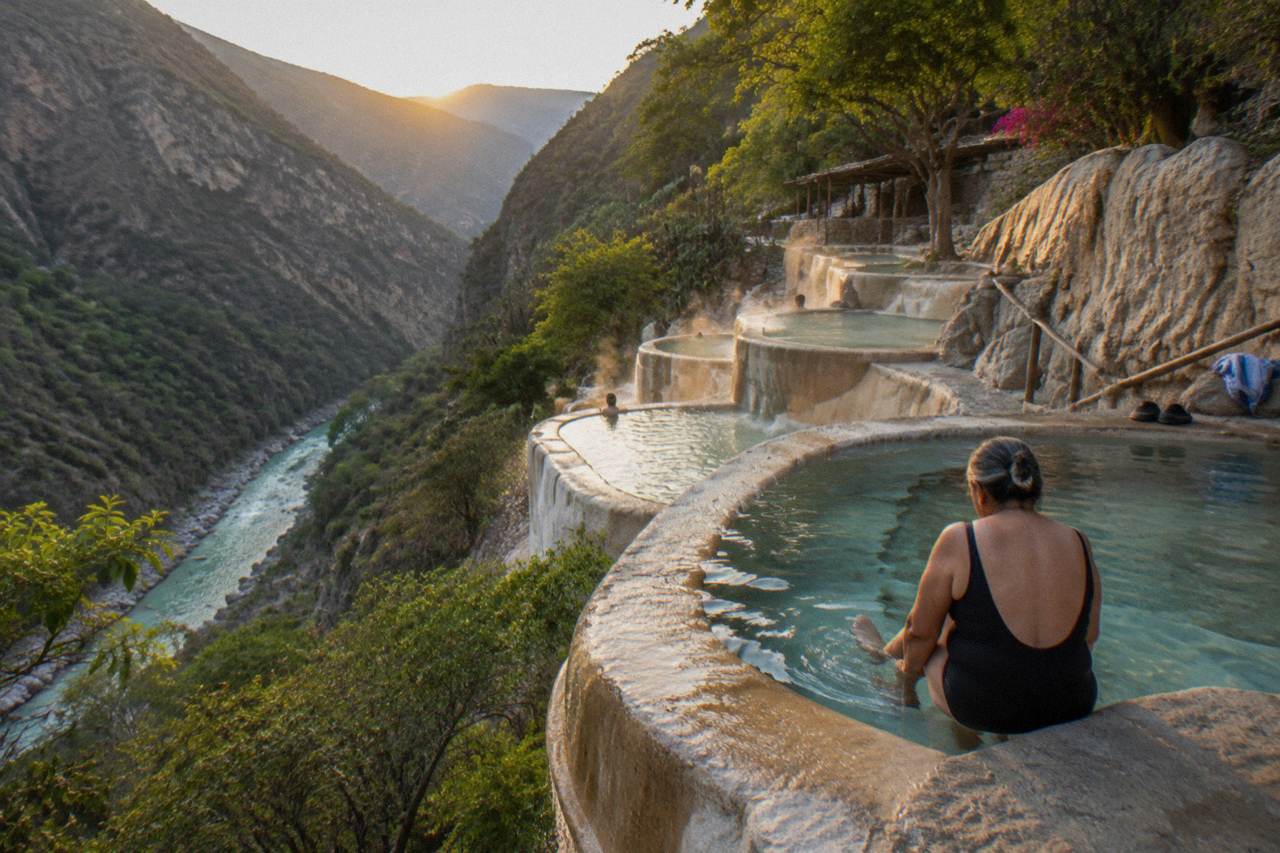
Whether you swim for ten minutes or four hours, the honest summary is that Tolantongo is one of the few places in Mexico where the answer to the water question is yes almost everywhere you look. Pick the departure that fits your clock, bring a swimsuit and cash, and leave the soap at home.
Common Questions About Swimming In Tolantongo
Is the water at Tolantongo warm enough to swim in winter?
Yes. The water holds 36 to 38 C year-round, so winter swimming is common and the contrast with cold December-to-March nights is part of the appeal.
Can you swim in the Tolantongo river when it rains?
The park advises staying away from the river during rain and following security staff. Heavy rain can turn the river brown with silt and close sections for hours, so treat rainy-season river swimming as condition-dependent.
Do you need to stay at the hotel to use the pools?
No. The park's official page for the pozas states that hotel guests have no exclusive rights; every entrance ticket holder can use the thermal pools.
What should you not bring into the water?
Soap, shampoo, food, drink and jewellery. The water is mineral-rich and untreated, it can strip metal, and the park bans soaps and consumables in the cave, tunnel, river and pools.