What To Bring To Tolantongo: Swimwear, Water Shoes And Day Pack
Grutas de Tolantongo is a wet, steep, cash-only canyon park at the end of a long mountain road, and what you carry decides how the day goes.
Short answer
Bring a swimsuit worn under your clothes, water shoes with grip, a quick-dry towel, a dry bag for the boat ride of a day, sunscreen, and cash in pesos. The park charges 230 MXN per person to enter, takes no cards at all, and the nearest ATM is about an hour away in Ixmiquilpan. Pack light: you will carry everything down a paved descent on foot.
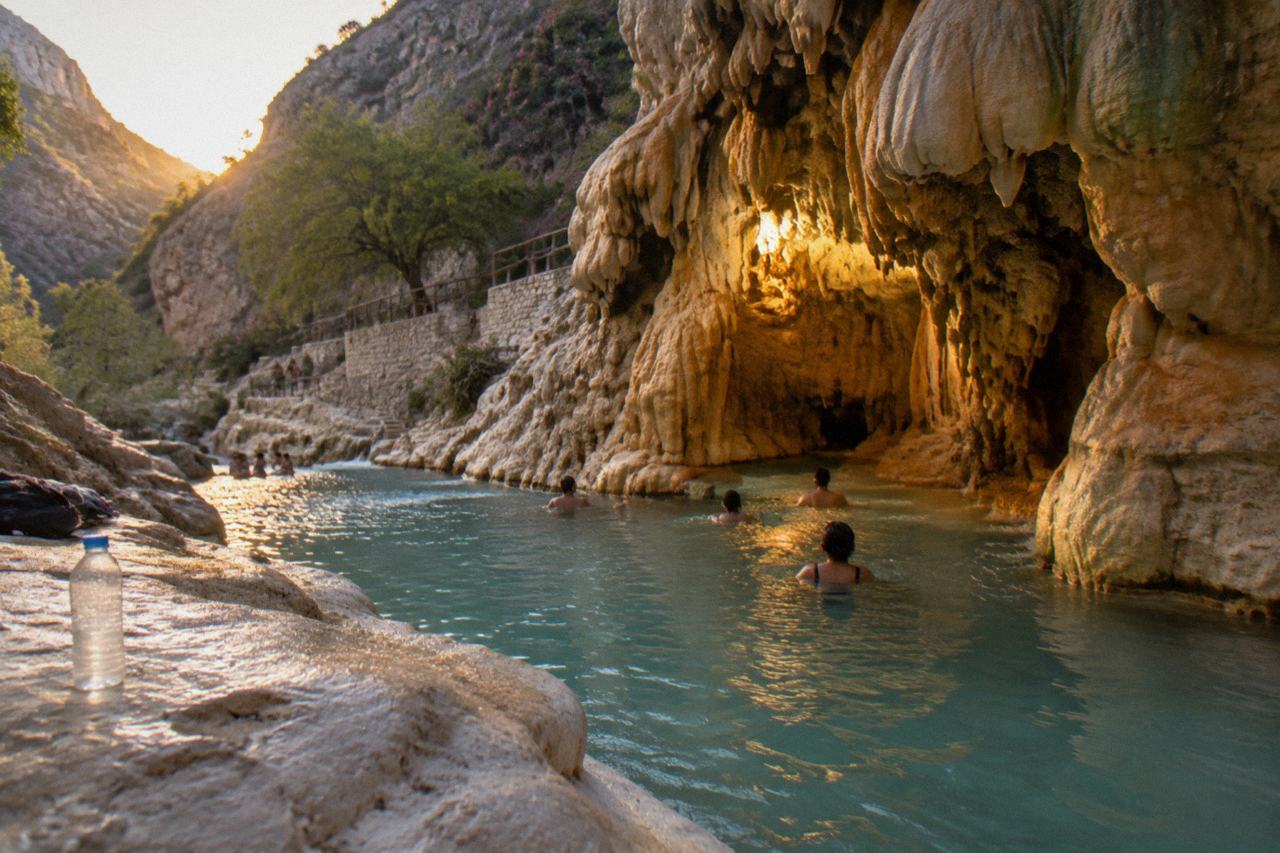
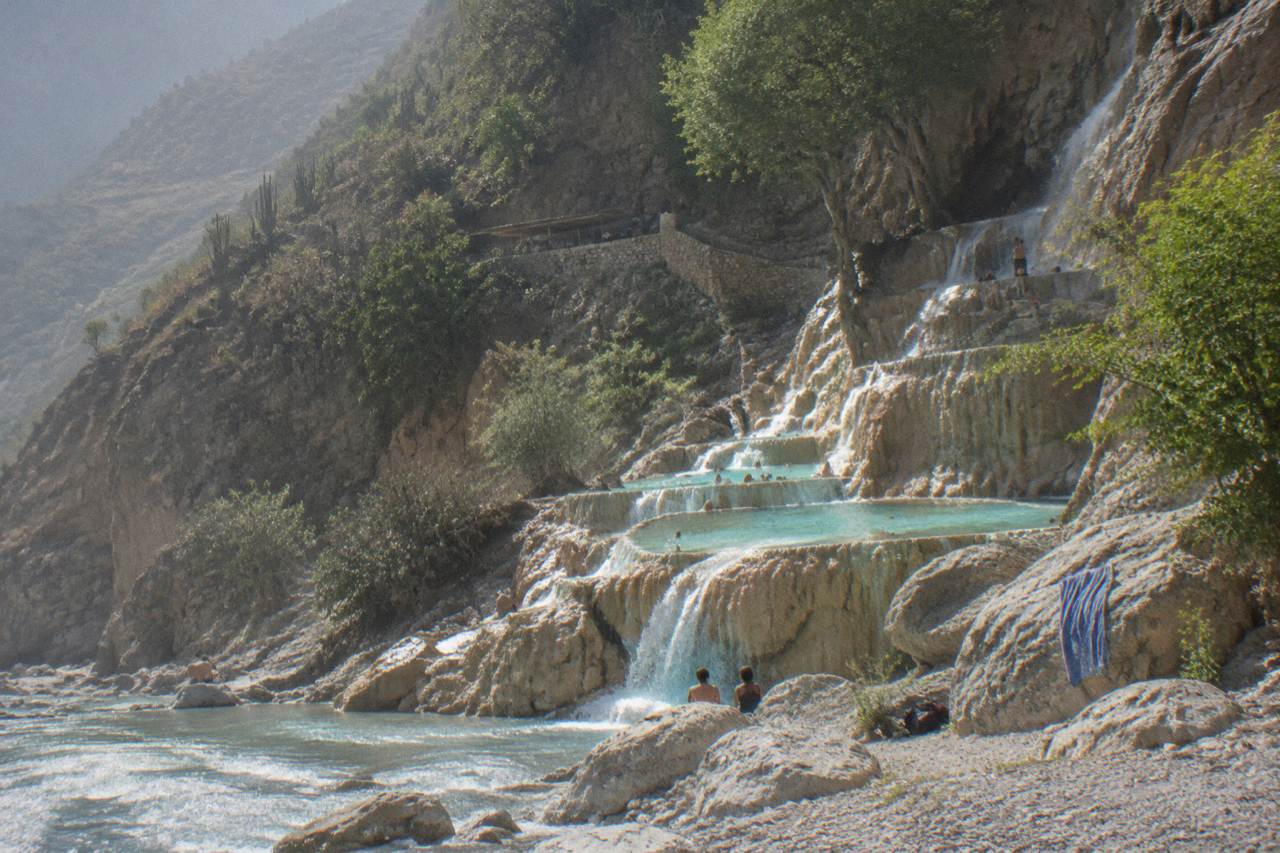
Grutas de Tolantongo sits at the bottom of a canyon in Hidalgo, 1,280 m above sea level, where thermal water at 36 to 38 C pours out of a cave, a steam tunnel and dozens of cliffside pools See our Tunnel Safety guide before you go.. Every one of those attractions is walked to on foot, over wet stone, and the park's own rules tell you exactly what matters: swimsuits in the water, no soap, no pets, cash for everything. The packing question is therefore not abstract. It is the difference between a comfortable day and a day spent with wet sneakers, no money for lunch and a phone left somewhere it should not be.
This guide breaks the list down by what the day actually throws at you: the descent, the rocks, the steam, the sun and the long ride home. If you are arriving on a shared day trip such as the small-group caves, hot springs and waterfalls tour from Mexico City, you will have roughly four hours on site, so every item below earns its place by weight. Independent visitors staying overnight should read the cash and season sections twice, because the park's restaurants, rooms and lockers all take pesos and nothing else.
What To Bring To Tolantongo For A Full Day?
Pack for three environments at once: a hot wet canyon, a crowded unshaded trail, and a 12 to 16 hour round trip bus day. The core list is a swimsuit, water shoes, a quick-dry towel, a dry bag, sunscreen, a hat, layers for cold-season nights, and cash in pesos for entrance, food, lockers and the zipline. Nothing else is required, and most everything else is weight.
The park's official information page sets the constraints better than any blog can. Swimsuits are required in the cave, tunnel, river and pools. Food, drink, soap and shampoo are banned in those same areas, and any food you bring may only be eaten in the camping zone. Pets are not allowed anywhere in the park, so this is not a destination for the family dog. Alcohol cannot be brought in, and the park advises leaving valuables at home or locked away because the water can strip jewellery.
Day-trippers have a particular problem: you leave your hotel before dawn and return after dark. The most-reviewed listing on this site, the full-day Exploring the Waters of Tolantongo tour, runs 14 to 16 hours door to door and is rated 4.8 across 1,575 reviews, and on a day that long a badly packed bag is a real cost. The cheapest shared day, the full-day Tolantongo Caves tour from $78 per person, runs about 12 and a half hours. Plan your bag for the longest version of the day, not the shortest.
The table below is the full list in one place, organised by where each item earns its keep.
| Item | Where You Use It | Why It Matters |
|---|---|---|
| Swimsuit (worn under clothes) | Cave, tunnel, river, pools | Required by park rules in all water areas |
| Water shoes or strapped sandals | Every walk between pools | Rocks are wet, sloped and slippery |
| Quick-dry towel | After each soak | Bulky cotton towels stay wet all day |
| Dry bag or zip-lock for phone | Bridge, river, pools | Spray and splashes reach viewing spots |
| Sunscreen and hat | Cliffside pools and trails | Much of the park is unshaded |
| Cash in pesos (small bills) | Entrance, food, lockers, zipline | The park takes no cards at all |
| Light layer or windbreaker | Descent, return bus, Dec to Mar nights | Canyon evenings cool off fast |
| Plastic or canvas bag for wet clothes | Return bus | Keeps the dry layer dry |
Do You Need Water Shoes For Tolantongo?
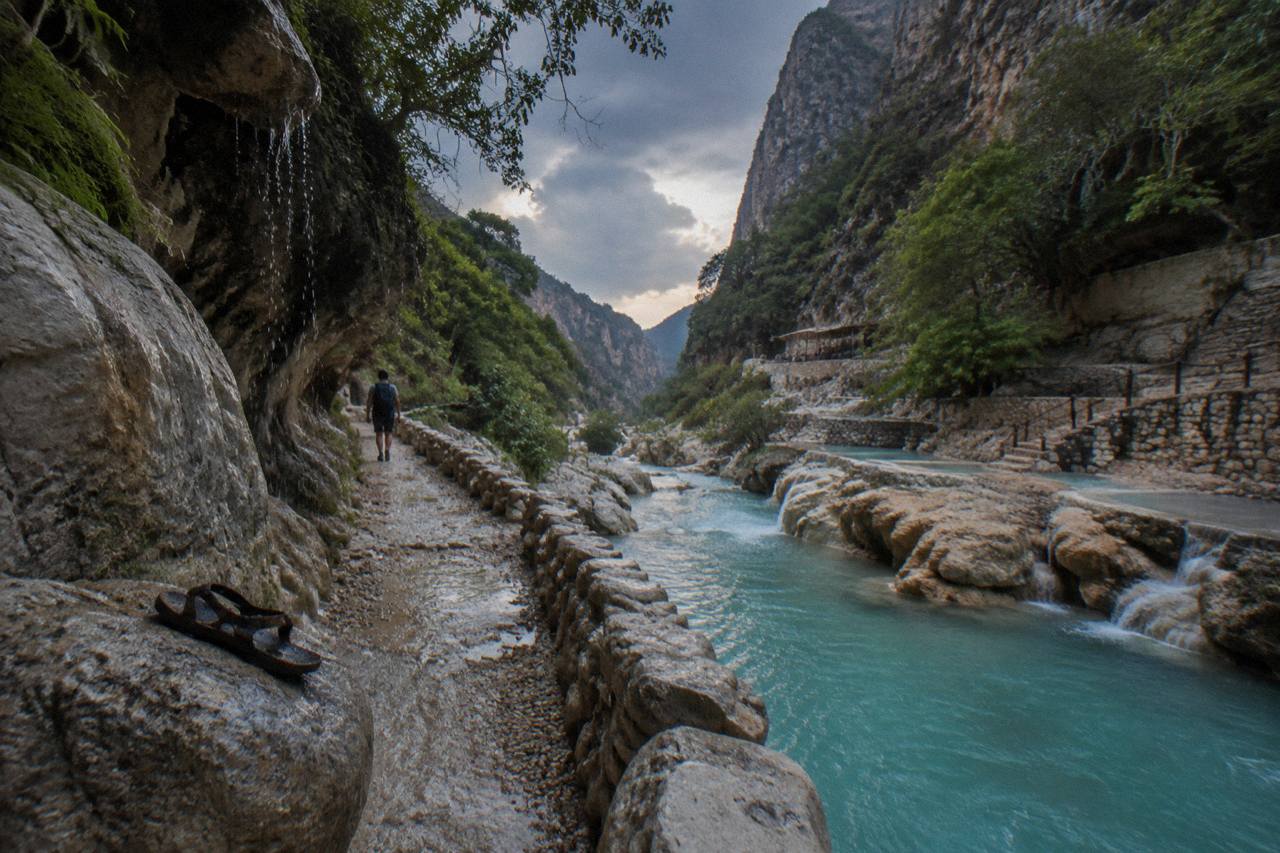
Yes, and this is the single most useful item on the list. The paths between the cave, the tunnel, the river and the cliffside pools are paved or stone, permanently damp, and sloped, and bare feet or smooth-soled trainers slip on them. Water shoes with a real grip sole, or sandals with a heel strap, let you walk between every attraction without changing footwear. Flip-flops do not qualify.
The terrain explains the rule. The two zones, La Gruta and Paraíso Escondido, are connected by trails and a hanging bridge, and the thermal river itself is shallow with a stony bed you stand on directly. In wet-season conditions the riverbed is at its most slippery, and the park asks visitors to follow security staff guidance near the river when it rains. Grip underfoot is the difference between a confident day and a careful one.
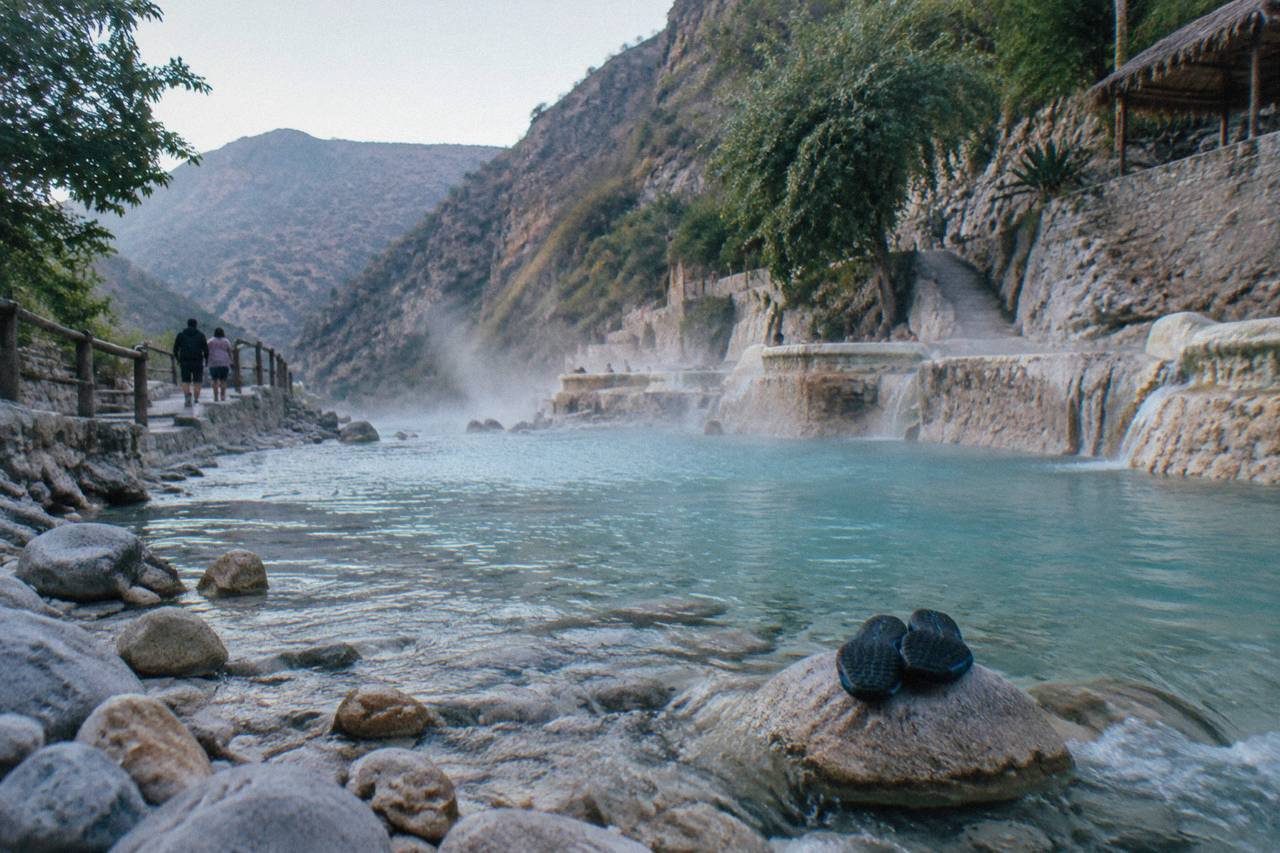
Choose between three footgear approaches before you buy anything. Each works, but they suit different travellers.
| Footgear | Best For | Trade-off |
|---|---|---|
| Closed water shoes | All-day wear, cave to pools to bus | Least stylish, most practical |
| Strapped sport sandals | Hot months, frequent swimmers | Needs a heel strap; toe bumping on rocks |
| Old trainers plus flip-flops | Travellers who already own both | Wet trainers ride home in your bag all day |
If your day is built around a guided trip, footgear is also a comfort question on the schedule. The early and express Tolantongo hot springs departure, rated 4.9 across 680 reviews and from $133 per person, compresses the day to 13 hours, which means less time standing around waiting for your feet to dry. The full-day Exploring the Waters tour gives you more hours on site, so wet trainers become a longer problem. Either way, the walk from the parking area down into the canyon is on pavement, and it is steep enough that you want the shoes on from the bus, not carried in your pack.
What Should You Wear In The Caves, Tunnel And Pools?
Wear your swimsuit under your clothes from the morning pickup onward, because changing facilities exist but the day moves fast. In the gruta and the steam tunnel the park requires a swimsuit, and the tunnel in particular is hot, humid and tight, so anything you wear over the suit will get damp. Women do well with a secure suit rather than a loose bikini in the tunnel current, and everyone benefits from a rash guard for sun between soaks.
The tunnel is a specific case worth naming. It is a steam-filled passage on the La Gruta side, warm and enclosed, and the park's rules for it match the cave: swimsuit, no soap, no products in the water. Glasses and hats come off or get secured. A dry bag is genuinely useful here, not optional gear-store upsell, because you need somewhere to put the layer you peeled off at the entrance.
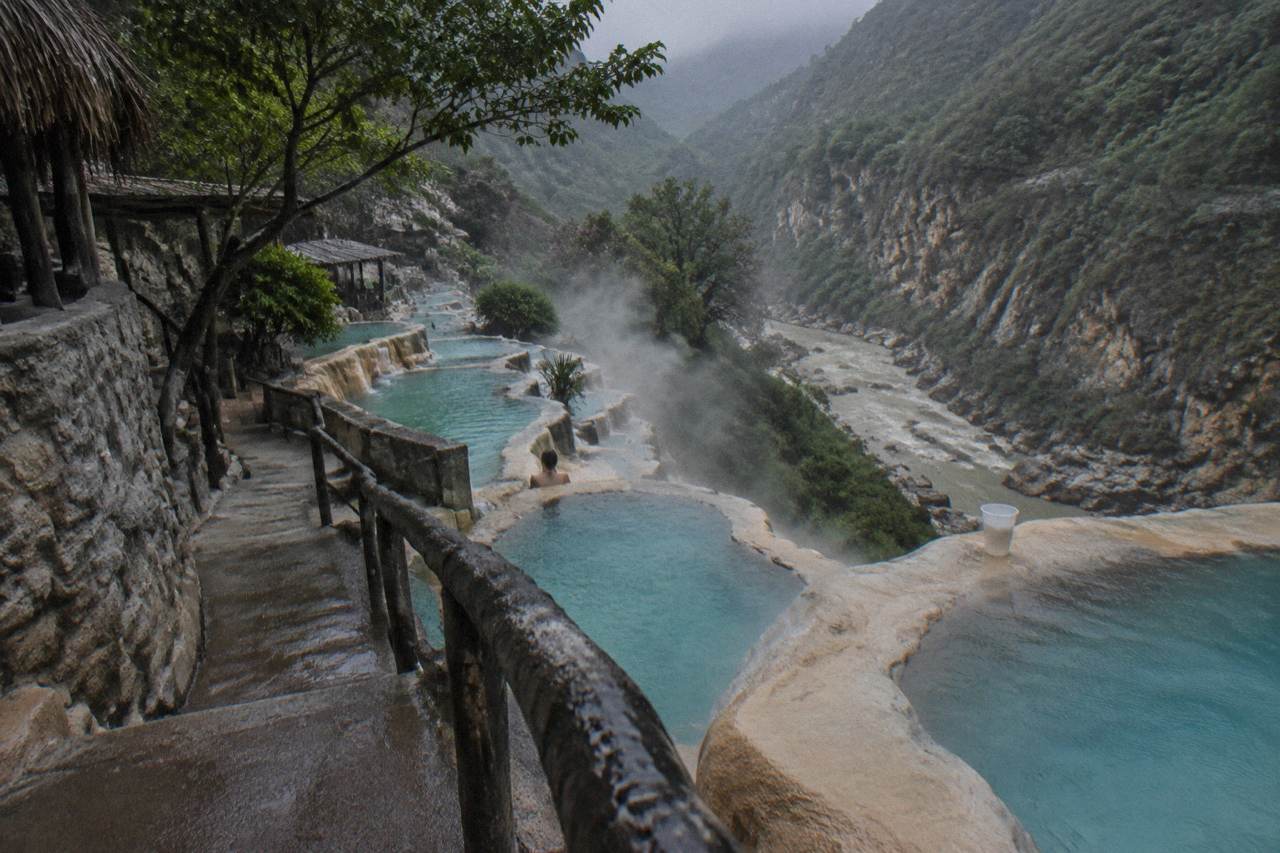
Your clothing plan for a guided day can look like this, whatever the season.
| Time Of Day | What You Are Wearing | What Changed |
|---|---|---|
| 5 am pickup | Clothes over swimsuit, water shoes, layer | Start dressed to swim |
| Arrival and descent | Same, dry bag packed | Nothing yet |
| Cave and tunnel | Swimsuit only, layer in dry bag | Peeling starts |
| River and pools | Swimsuit plus water shoes | Add sunscreen |
| Lunch and viewpoints | Swimsuit plus dry layer or rash guard | Canyon wind |
| Return bus | Dry clothes, wet items bagged | Full change before boarding |
A note on towels, because it is the item people get wrong. A quick-dry microfibre towel packs to the size of a fist and dries between stops. A hotel cotton towel stays wet from the first pool until the bus, smells by Pachuca, and weighs down the pack on every climb. Space and weight matter more here than at a beach, because you carry the bag between zones rather than parking it on a sun lounger. If you want to see how the zones and walking distances fit together before deciding bag size, the complete visitor guide breaks the park down attraction by attraction.
How Much Cash Should You Carry At Grutas De Tolantongo?
Carry pesos, more than you think, in small bills, and a card as a dead weight. The official costs page lists entrance at 230 MXN per person per day, parking at 50 MXN per vehicle, the zipline at 300 MXN per launch, lockers at 150 MXN with a 50 MXN deposit returned, and it states plainly that every payment in the park is cash only. The nearest ATM is in Ixmiquilpan, about an hour away.
That cash-only rule is not a guideline, it is the operating model. Restaurants, the shop, room rentals, tent rentals at 250 MXN per night plus a 200 MXN deposit, and the internal shuttle between zones at 15 to 20 MXN per person shared all run on paper money. If you arrive on a tour from Mexico City, your transport and usually your entrance are handled, but lunch, lockers, the zipline and any extra are yours to fund. The zipline is a common impulse decision once people see the canyon from the bridge, and it needs 300 MXN in cash on the spot.
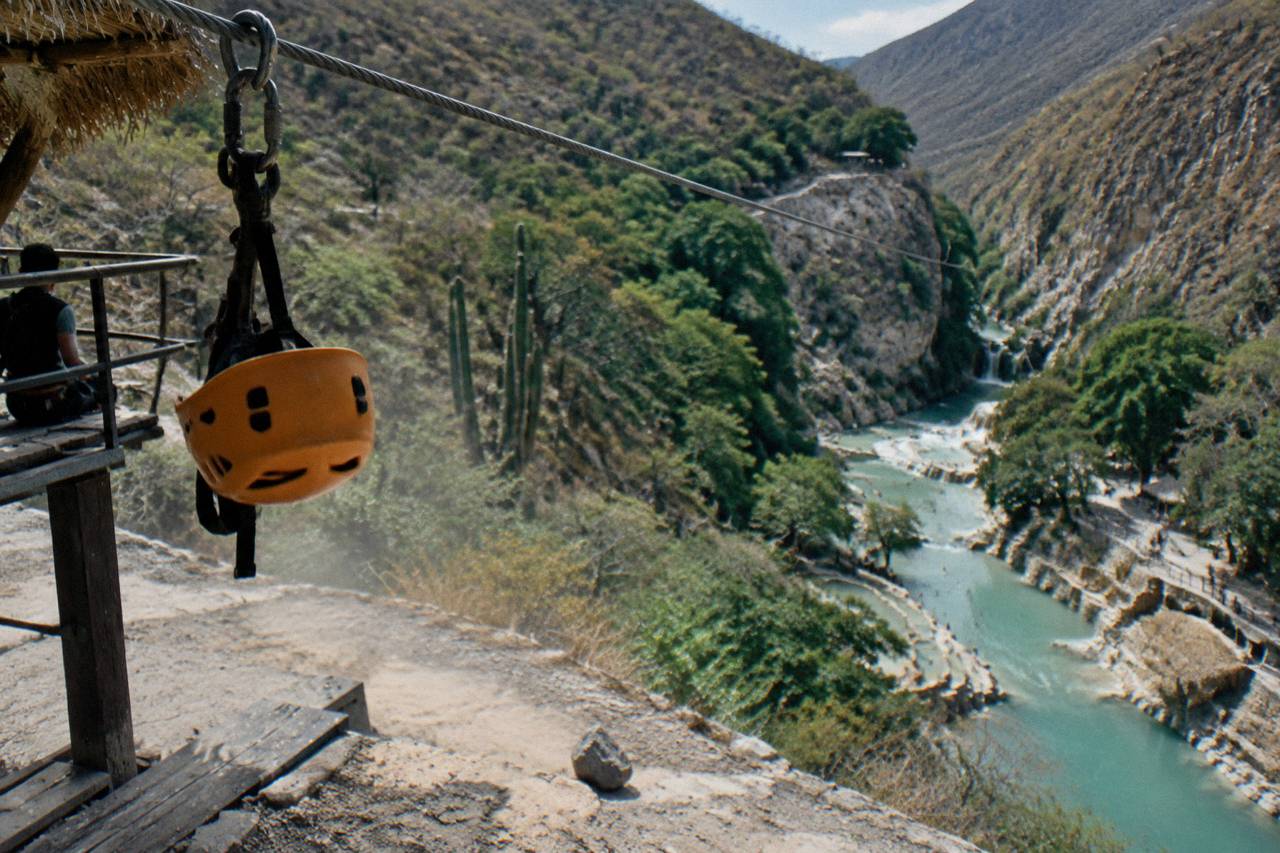

A realistic cash budget per person, beyond what a tour already covers, looks like this.
| Expense | Official Cost | Planning Note |
|---|---|---|
| Park entrance | 230 MXN per person per day | Children 0 to 4 free, 5 and over pay full |
| Senior entrance | 50% off with INAPAM credential | Applies to entry only |
| Parking (if driving) | 50 MXN per vehicle | Space only, no custody |
| Zipline | 300 MXN per launch | Separate from entrance, 1,890 m total |
| Locker | 150 MXN, 50 MXN refunded with key | 8 am to 5 pm |
| Internal shuttle | 15 to 20 MXN per person shared | Between zones |
| Meals | Budget freely | Two restaurants plus a shop, cash only |
Budgeting cash is one thing; keeping it safe is another. The park's own advice is to leave valuables out of the water areas entirely, because the mineral water can strip jewellery, and a locker is 150 MXN if you would rather not leave things on the bus. Split your cash between a zipped pocket and your bag, and keep the small bills separate from the large ones so you are never unfolding a full day's budget at a food counter. The park's official costs page is the source for every figure in the table above, and it is the page to recheck before any trip, since the park notes prices can change without notice.
What Should Go In Your Day Pack For The Bus Ride?
Pack the bag the night before around three needs: sleep, food and recovery. For a 4 to 5 am pickup you want a warm layer and a neck pillow or hoodie to doze in, snacks and a full water bottle for the day, and a separate dry bag with your change of clothes for the ride home. The drive from Mexico City typically runs three and a half to four and a half hours each way.
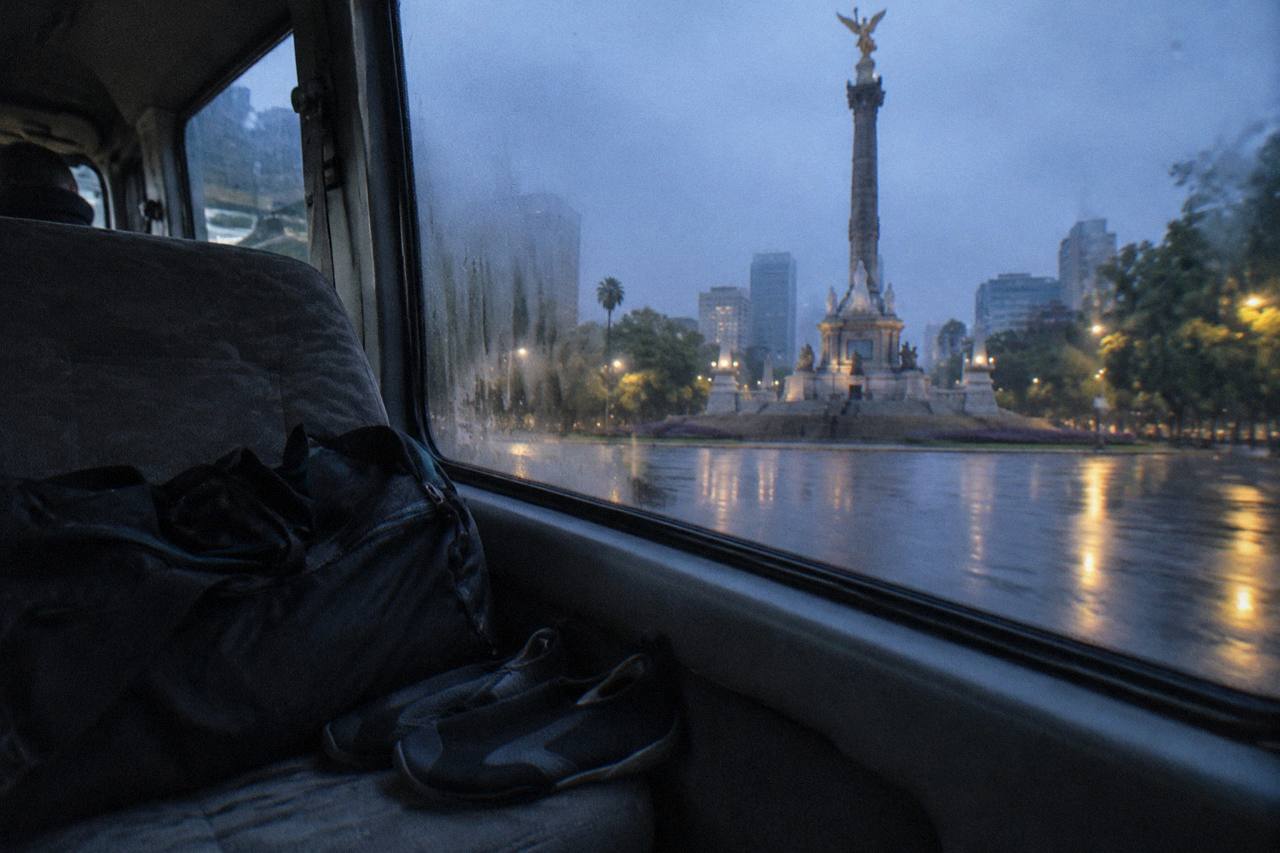
Small-group listings commonly meet around 5:30 am in central Mexico City, and pickup points named on live listings include the Angel of Independence on Reforma plus selected hotels. That means the first two hours of your day happen in the dark on a bus, and the last two happen after a full day of sun and swimming. The bag that serves both ends of the day is the one that gets packed deliberately.
| Bus-Day Item | Outbound Or Return | Why |
|---|---|---|
| Warm layer or hoodie | Both | Pre-dawn start, canyon evening air |
| Water bottle (empty through security, filled after) | Both | Hydration at 1,280 m with sun exposure |
| Snacks, eaten only in allowed zones | Both | Park rule: food consumed in the camping zone only |
| Wet wipes and small hand towel | Return | Cleanup before the bus |
| Plastic bag for wet swimwear | Return | Keeps dry clothes dry |
| Motion sickness remedy | Outbound | Mountain descent, tight curves |
| Offline maps downloaded | Outbound | Signal is unreliable on the final approach |
Meals are the item to check on your specific booking rather than assume. Some listings include a box lunch option, others exclude meals entirely, and the tours listed here are explicit that inclusions vary listing by listing. The small-group tour operated by Amigo Tours, from $92 per person and rated 4.6 across 352 reviews, names its inclusions on the listing, so read that section before deciding how much food to carry. The two Amigo-run day trips from $132 per person both spell out exactly what is and is not included, including whether the box lunch option was selected at booking.
What Should You Leave Behind Or Leave In The Bus?
Leave behind pets, alcohol, soap and shampoo for the water, glass bottles, jewellery, and anything you cannot afford to get wet or lost. Leave in the bus your dry change of clothes until the final hour, your main wallet minus the day's cash, and any electronics beyond a phone in a dry bag. The park bans pets entirely, bans alcohol at entry, and warns that the water damages jewellery and watches.
Each of those bans comes from the park's own rules rather than from tour operators. The food rule has a specific shape: you may bring food and non-alcoholic drinks in cans or plastic bottles, but you may consume them only in the camping zone, not beside the pools or in the cave. That is why the snack strategy on a day trip leans on eating on the bus and buying lunch at the park restaurants, which run 8 am to 10 pm and take cash.
Jewellery deserves a second mention because visitors routinely miss it. The thermal mineral water, the same water that makes the canyon famous, is hard on metals and stones, and the park says so plainly. Rings that fit loosely also slip off in pools. A dry bag for the phone is standard practice, and a lanyard case works for photos at the cliffside pools and the bridge, the two spots where the spray and the crowd both reach you. For where those photo moments are, the photos and best viewpoints guide maps them out.
Does The Season Change What You Pack?
Yes, mainly around warmth and rain. The water stays 36 to 38 C year round, but from December to March canyon nights are cold enough that the park's camping page tells overnight visitors to bring blankets and jackets, and from roughly June to September the rainy season turns the trail slick and the river brown, making grip footwear and a rain shell the priority. An umbrella or poncho earns its place all summer.
The dry, cooler window from October to December is widely recommended for clear turquoise water and comfortable daytime temperatures, and May is a good shoulder month before the rains arrive. None of that is a promise about any given day: the river can shift colour and sections can close temporarily after heavy rain, and the park asks visitors to stay clear of the river and follow staff instructions in those conditions. Pack for the season's pattern, then check conditions before you leave.
| Season | Water | Add To The Pack | Skip |
|---|---|---|---|
| Oct to Dec, dry season | 36 to 38 C, typically clear | Light layer for mornings | Umbrella |
| Dec to Mar, cold nights | 36 to 38 C | Warm jacket, beanie, dry change | Minimal bag approach |
| Jun to Sep, rainy season | 36 to 38 C, may turn brown | Rain shell, extra grip, dry bag | Valuables near the river |
| Semana Santa and holiday peaks | 36 to 38 C | Patience, small cash bills | Expecting quiet pools |
Crowds are the last packing factor. Weekends, long weekend puente holidays and the Semana Santa period are far busier than weekdays, which matters for two items: lockers, which have finite capacity and run 8 am to 5 pm, and cash, because busy food counters move faster when you have exact change. A weekday visitor with a small pack can skip the locker entirely; a holiday-weekend visitor should budget for one. The official information page carries the current attraction hours and rules worth rechecking before any visit.
Overnight visitors have one more layer to pack for. Tent campers should know that blanket rental is not included with a tent, blankets are sold at 140 MXN, checkout is at noon, and quiet hours start at 11 pm. The park's own camping page is the source for those figures, and anyone weighing a night in the canyon against a same-day return can compare the options in the where to stay at Tolantongo guide. A private option like the 100% private Tolantongo tour from Mexico City, from $167 per person and rated 4.8 across 189 reviews, lets you set your own return time, which is one way to dodge the late-bus exhaustion entirely.
The short version, before the questions: swimsuit worn from the start, water shoes with grip, quick-dry towel, dry bag, cash in small pesos, one warm layer, and nothing you would mourn. Visitors booking through Grutas de Tolantongo Tours listings should still pack as if self-sufficient, because operators move you, but the canyon day is yours to carry.
The longest day of the tours listed here rewards the best-packed bag: 14 to 16 hours, 4.8 across 1,575 reviews, from $134 per person. Check availability before finalising your list, because confirming the date tends to focus the packing mind.
The budget option, from $78 per person with a 5.0 rating across 54 reviews, runs 12 and a half hours, which means a smaller bag and one less meal to carry. Check availability and read the inclusions line before you shop for snacks.
The early and express departure, from $133 per person and rated 4.9 across 680 reviews, is the choice for travellers who want the pools without the longest bus day. Check availability for your dates.
Common Questions About Packing For Tolantongo
Do you need water shoes for Grutas in Tolantongo?
Yes. The paths between the cave, tunnel, river and pools are wet, sloped stone, and the riverbed itself is smooth rock underfoot. Water shoes with grip or sandals with a heel strap handle all of it; flip-flops slip on the descent and offer no protection in the river.
Can I bring food and drinks into the park?
You may bring food and non-alcoholic drinks in cans or plastic bottles, but park rules say they may be consumed only in the camping zone, not at the pools, cave or river. Most day visitors eat on the bus and buy lunch at the park restaurants, which take cash only.
Is there anywhere to store my bag while I swim?
Yes, lockers rent for 150 MXN with a 50 MXN deposit returned when you bring the key back, operating 8 am to 5 pm. Many day-trippers simply leave a dry bag with the guide or on the bus, and keep only cash and a phone in a waterproof case.
What should I not bring to Tolantongo?
Pets, alcohol, glass, soap and shampoo for the water areas, and jewellery. The park bans pets and alcohol outright, requires that no products enter the cave, tunnel, river or pools, and warns that the thermal water can strip metals and stones.
Do I need a towel if my tour includes everything?
Yes. Towel inclusion varies listing by listing and is often not covered, and there is nowhere to buy one inside the park. A quick-dry microfibre towel is small, light and dry by the return bus, which is why it appears on every version of this list.