Best Time To Visit Tolantongo: Months, Weekdays And Crowds
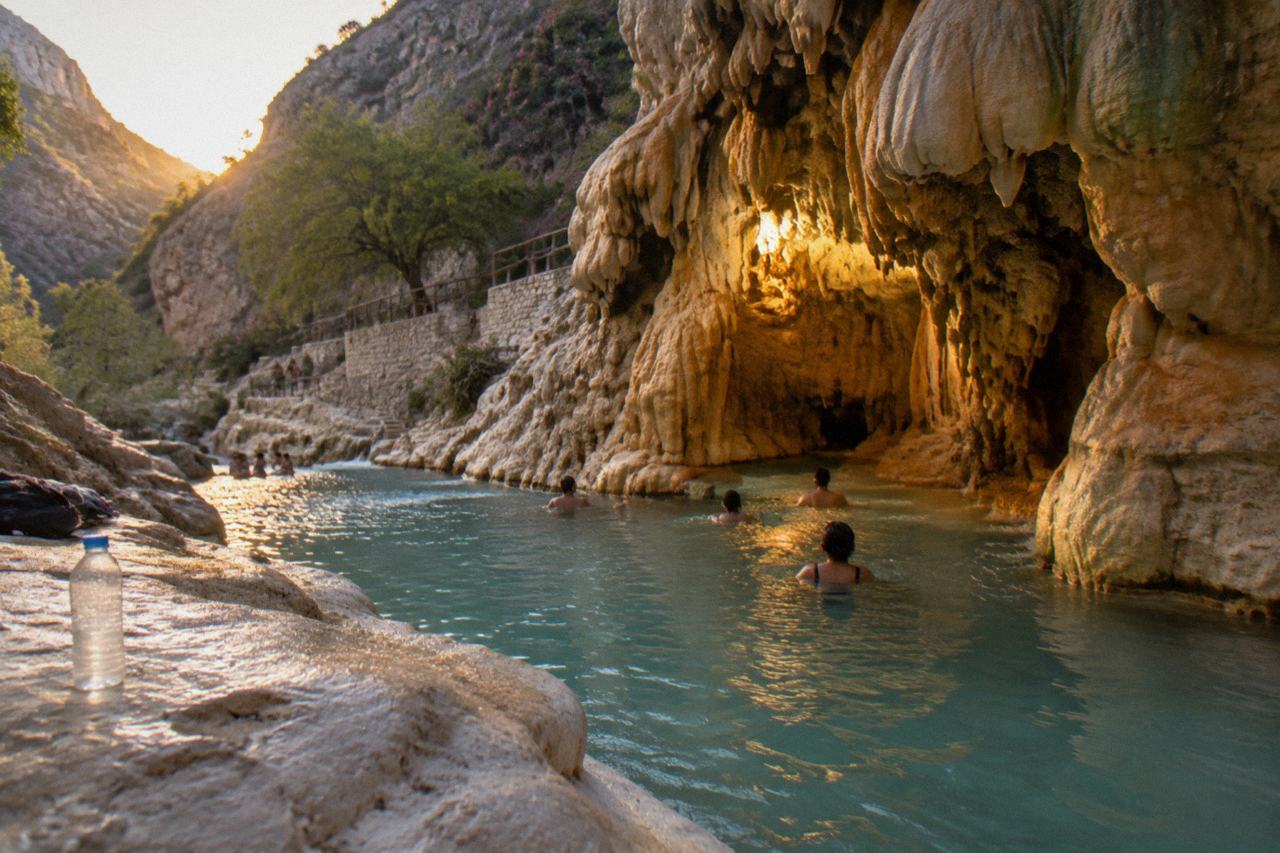
The water at Grutas de Tolantongo stays between 36 and 38 degrees Celsius all year, so the question is never whether the springs will be warm. It is whether the river will be turquoise or brown, and whether you will share the pools with a weekday trickle or a holiday crowd.
Short answer
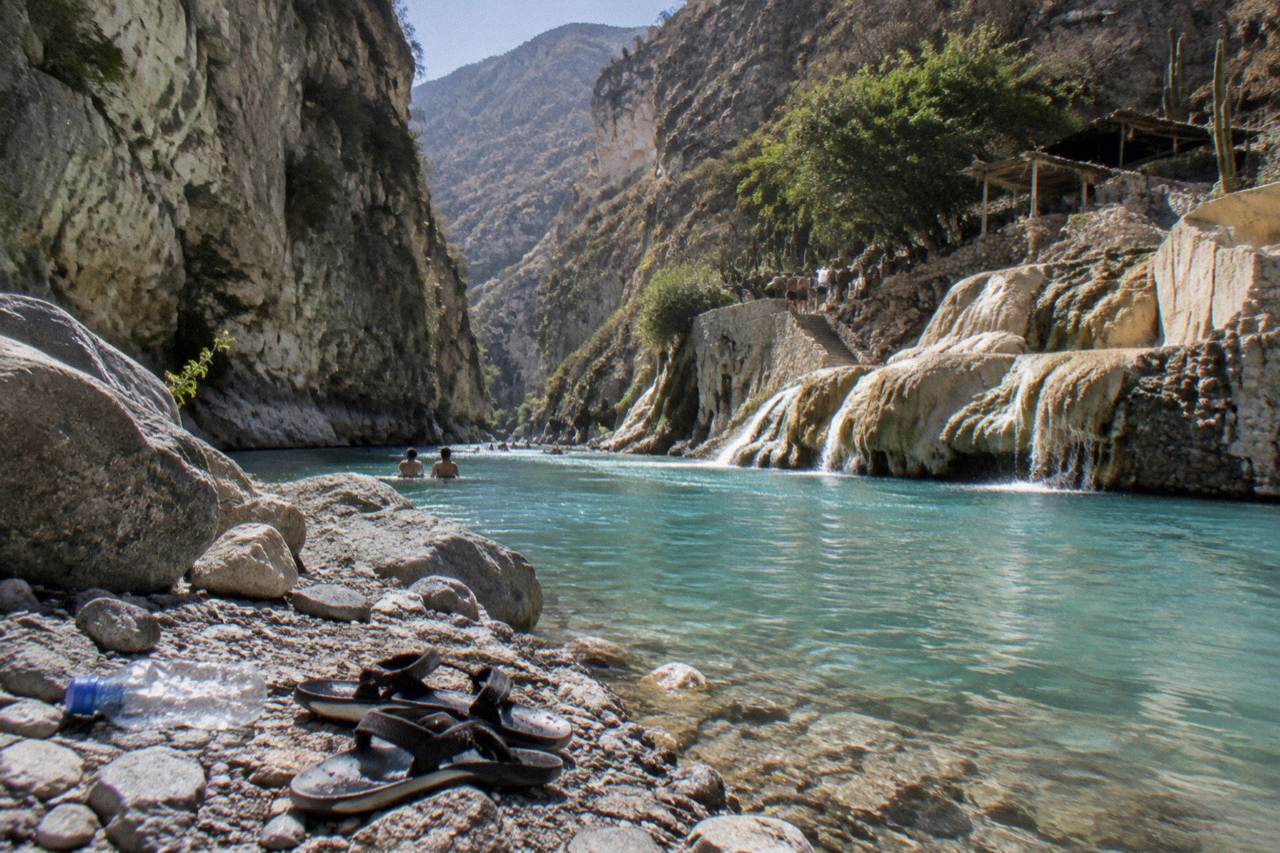
The best months to visit Tolantongo are October to December, when the weather is dry, daytime temperatures run roughly 10 to 24 degrees, and the thermal river stays clear and turquoise. Visit Tuesday to Thursday if you can: the park is open 365 days a year, 7 am to 8 pm, and weekends and Mexican holidays are far busier than weekdays.
The water at Grutas de Tolantongo holds steady between 36 and 38 degrees Celsius every month of the year, which is why the timing question here is different from most hot-spring destinations. You are not chasing warmth. You are chasing clear water, dry trails, and a canyon that is not shoulder to shoulder, and those three things swing wildly across the calendar. The park sits at 1,280 metres above sea level in the Mezquital Valley of Hidalgo, and its official pages confirm it opens 365 days a year with entrance tickets valid from 7 am to 8 pm.
Timing also shapes which tour makes sense. The Early & Express Tolantongo Hot Springs departure is built around beating crowds, rated 4.9 across 680 reviews and priced from $133 per person, while the full-day Exploring the Waters tour, 4.8 across 1,575 reviews and from $134 per person, gives a longer day on site. This guide walks through the months, the rainy season, and the weekday-versus-weekend question so you can pick a date with open eyes.
What Is The Best Month To Visit Grutas De Tolantongo?
October to December is the best window, combining dry weather, cooler air of roughly 10 to 24 degrees, moderate crowds, and a thermal river that runs clear and turquoise after the rains end. May runs a close second, sitting in the dry gap before the June rains arrive. The water temperature itself never changes, holding 36 to 38 degrees Celsius year-round.
The month you choose mostly determines two things: what the river looks like and how many people are beside you in it. From June to September, heavy rain in the Sierra can wash silt into the canyon and turn the famously turquoise river brown until the water clears. The park's own guidance is blunt about this season: visitors should stay away from the river when it rains and follow the instructions of security staff. The pools, the cave, and the steam tunnel keep operating, but the postcard colour comes and goes.
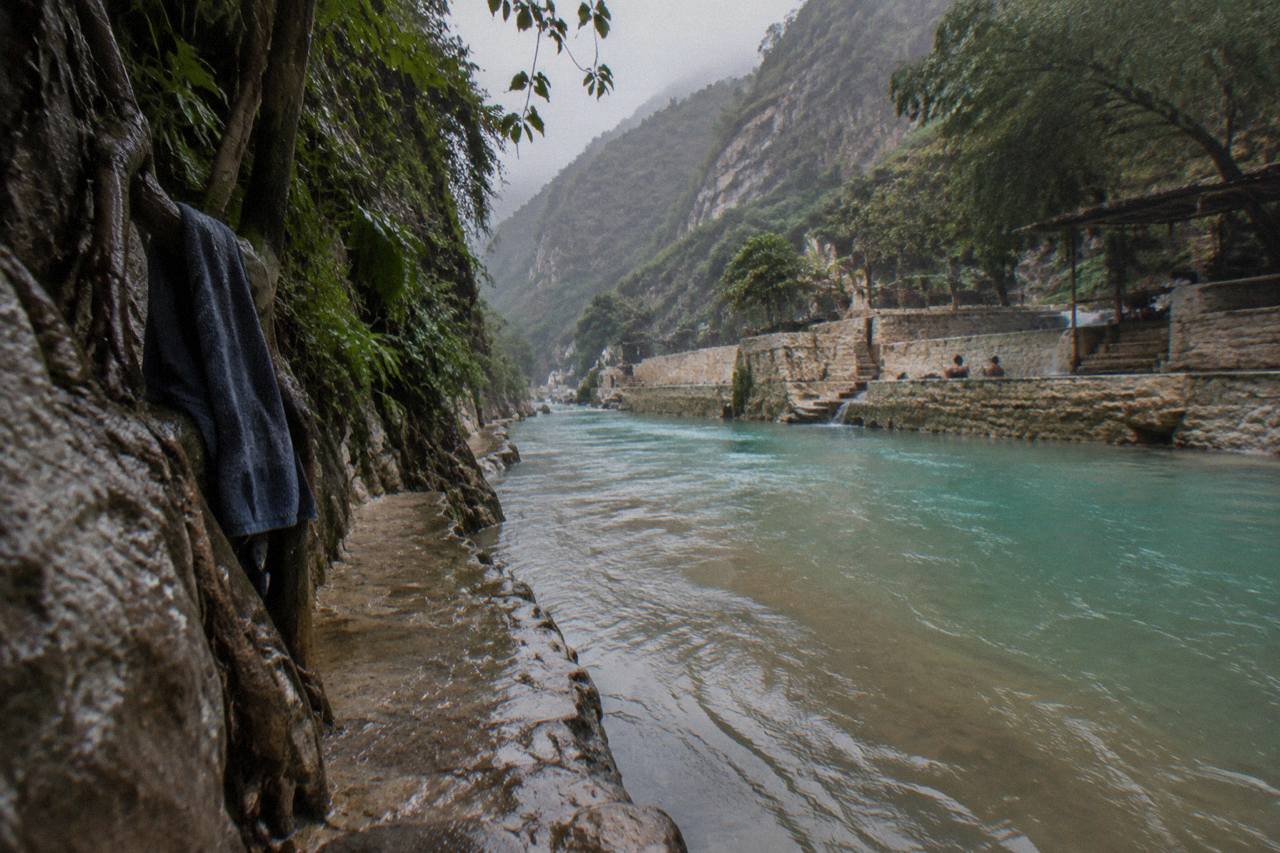
Once the rains taper, the valley dries out fast. October brings the return of the blue-green water, November pairs it with the coolest nights of the dry stretch, and December adds long, clear afternoons. The trade-off in late December is crowds: the Christmas and New Year window, especially late December, is one of the busiest stretches of the year. January through April is a solid second tier, dry and warm, with the one massive exception of Semana Santa, which we cover further down.
| Month | Weather | River Colour | Crowd Level | Verdict |
|---|---|---|---|---|
| January | Dry, warm days, cool nights | Usually clear | Moderate on weekends | Good |
| February | Dry, warm | Usually clear | Moderate | Good |
| March | Dry, warming | Usually clear | Rises toward Semana Santa | Good until Holy Week |
| April | Dry, warm | Clear | Semana Santa peak, then calmer | Avoid Holy Week |
| May | Dry, hottest before rains | Clear | Moderate | Very good |
| June | Rainy season begins | Turning unpredictable | Lower on weekdays | Mixed |
| July | Afternoon rains | Often brown after storms | Lower | Mixed |
| August | Rainy season peak | Often brown after storms | Lower | Mixed |
| September | Rains taper | Improving late month | Lower | Improves late |
| October | Dry returns, 10 to 24 degrees | Clear and turquoise | Moderate | Best |
| November | Dry, cool nights | Clear and turquoise | Moderate | Best |
| December | Dry, coldest nights | Clear and turquoise | High over Christmas | Best, minus holidays |

If your dates are fixed inside the rainy season, a tour still works, and arguably works better than driving yourself. A shared day trip such as the Tolantongo Caves Small Group Tour, rated 4.7 across 724 reviews and from $132 per person, puts the road, the timing, and the entrance logistics in an operator's hands while you watch the weather from a bus window. Our complete visitor guide to Grutas de Tolantongo covers what the ticket includes in every season.
What Is The Best Time To Visit Grutas Tolantongo?
For the time of year, aim for October to December on a Tuesday, Wednesday, or Thursday. For the time of day, arrive at or before the 7 am opening, because the marquee attractions, the cave, the tunnel, the waterfalls, and the main pools, run 8 am to 5 pm, and the first two hours are the quietest the canyon gets all day. Both levers matter equally.
Weekends are the single biggest crowd variable at Tolantongo, bigger than any month on the calendar. Visitor reports consistently describe weekday visits as relaxed and weekend visits as packed, with holiday weekends a step beyond that again. The pattern is driven less by international tourism than by Mexico City and Hidalgo families, for whom Tolantongo is a weekend and puente destination. A rainy-season Tuesday can feel almost private; a dry Sunday in November can mean queues for the pools and a full camping zone.
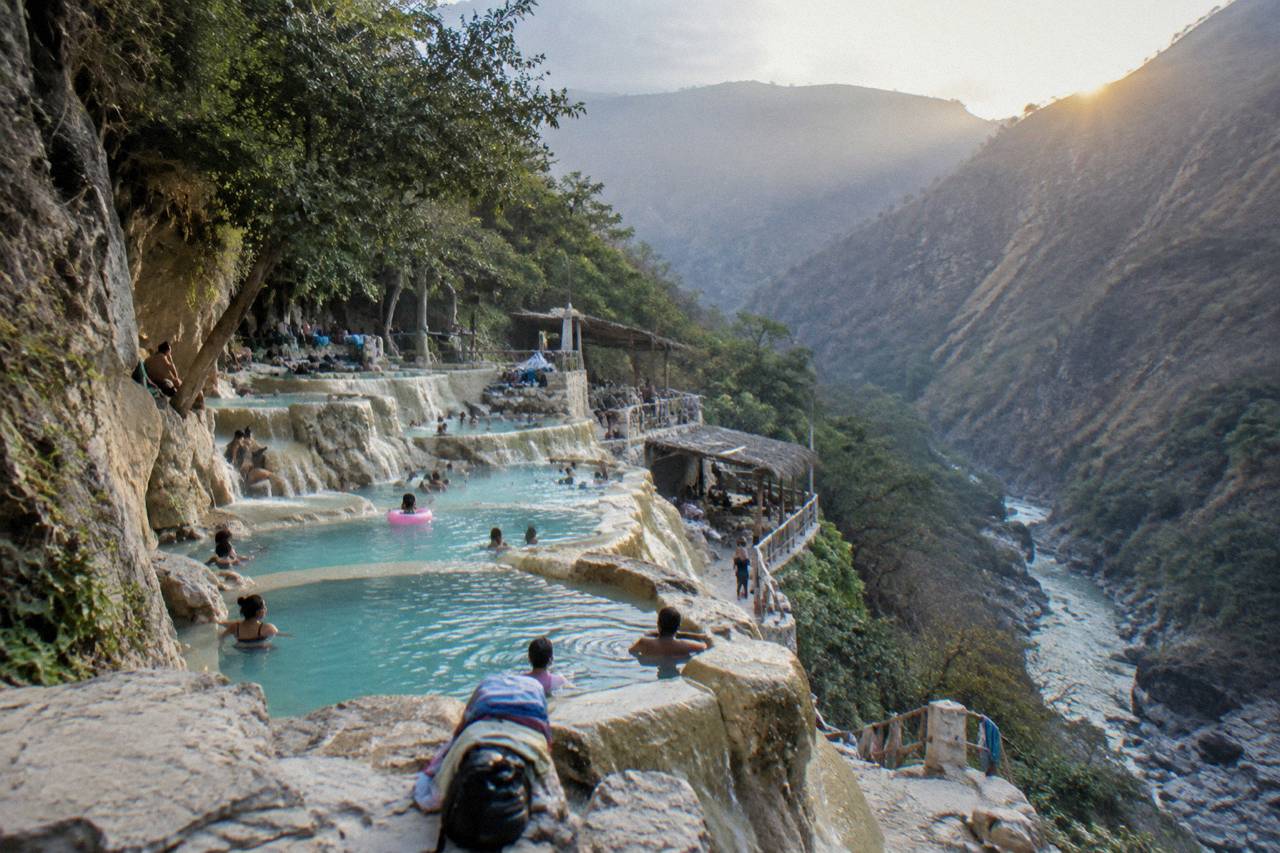
The morning lever is the one most visitors underuse. The ticket is valid from 7 am, and tour groups arriving from Mexico City typically reach the park in the late morning, which creates a predictable rhythm: an empty canyon at opening, a busy plateau from midday, and thinning again after 4 pm. Attractions close on a staggered schedule, with the pools, cave, tunnel, and zipline all finishing at 5 pm while some thermal pozas and the river stay open until 9 pm, so late risers trade away the best hours. The park states these hours on its official information page, alongside the rule that tickets are valid only for the day, not for 24 hours from purchase.
The early express concept exists precisely because of this rhythm. Rather than a generic departure, the Early & Express Tolantongo Hot Springs tour compresses the day to 13 hours, and the full-day Exploring the Waters tour runs 14 to 16 hours with more time on site; both are rated above 4.8, and both start in the same from-price bracket, at $133 and $134 per person. If a 4 or 5 am wake-up sounds grim, the trade is real: you swim in clear pools before the crowd lands.
What Is Tolantongo Weather Like In Each Season?
Tolantongo has three practical seasons: a dry stretch from roughly November through May with warm days and cool nights, a rainy stretch from June through September with afternoon storms, and a cold-night window from December to March when camping demands blankets and a jacket. Daytime highs in the best months run about 10 to 24 degrees, and the water never drops below 36 degrees.
The dry season is the comfortable default. Days are warm without being punishing, the canyon trails are firm underfoot, and the descent road, 20 kilometres of paved switchbacks with grades the official getting-there page warns automatic-car drivers to take in first and second gear, is at its least dramatic. Nights are the surprise for campers: the park's own camping page notes that December to March nights are cold enough to require blankets and jackets, and the on-site tent rental, 250 MXN per night plus a 200 MXN deposit, does not include a blanket, which is sold separately for 140 MXN.
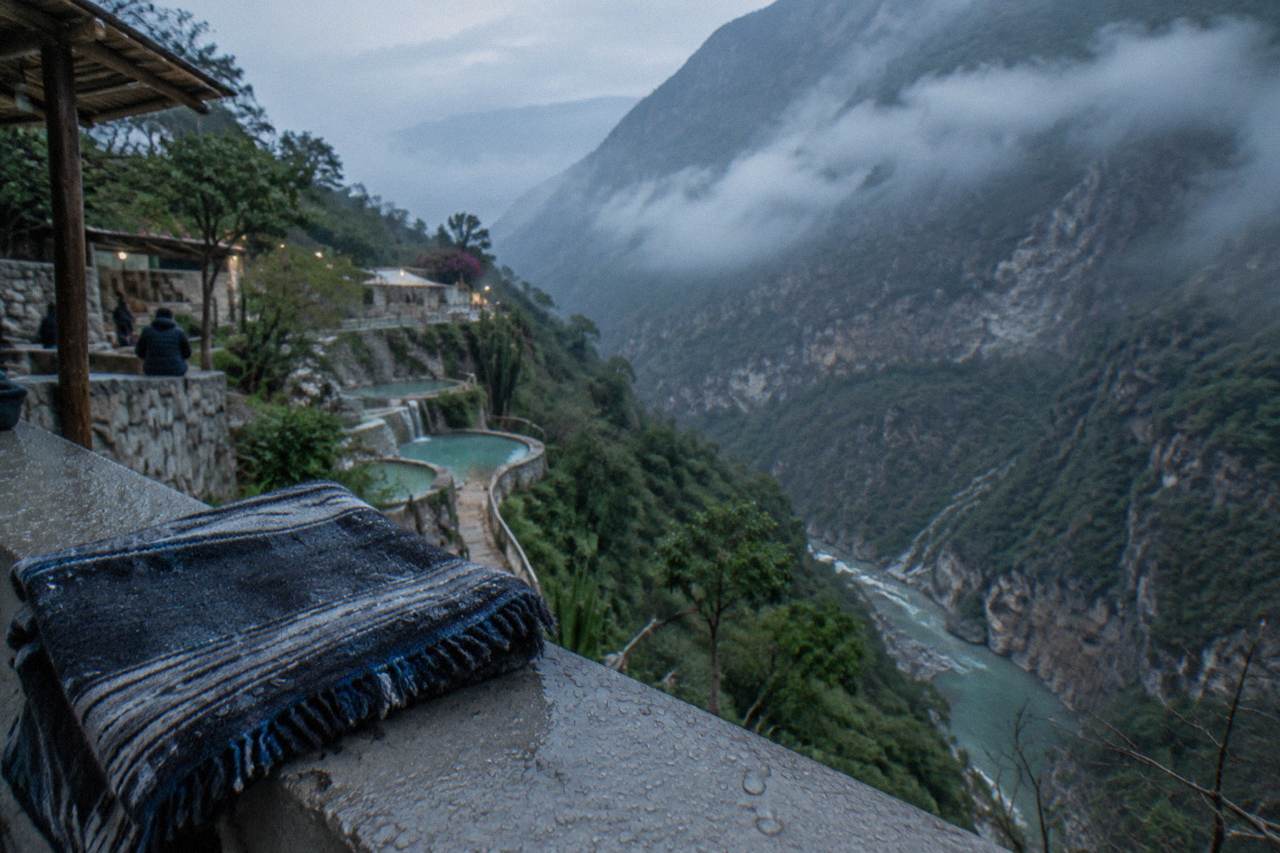
The rainy season is not a write-off, and it is worth being precise about what actually changes. Mornings are frequently dry and bright; the rains tend to arrive in the afternoon. The water attractions stay warm because they are thermal, and the park stays open. What changes is the river's colour, the safety margin around it, and the camping: the park advises against camping near the river in the rainy season, and its pages direct visitors to follow security staff when flows rise. Our guide to the Tolantongo river, waterfalls and cliffside pools goes deeper on how the river behaves.
| Season | Months | Daytime Feel | Nights | Main Risk Or Trade-off |
|---|---|---|---|---|
| Dry, warm | March to May | Warm to hot | Cool | Rising crowds toward Easter |
| Dry, cooler | October to December | 10 to 24 degrees | Cold in Dec | Christmas and New Year crowds |
| Cold nights | December to March | Mild days | Cold | Bring layers if camping |
| Rainy | June to September | Warm, humid, afternoon storms | Mild | River can turn brown; riverbank camping discouraged |
Whatever the season, pack for the rules as much as the weather: swimsuits are required in the cave, tunnel, river and pools, soap and shampoo are banned in all of them, and every payment inside the park, from the 230 MXN entrance to restaurant meals, must be cash, because there is no ATM in the canyon. Our what to bring to Tolantongo checklist is built around these rules.
A shoulder-season tactic worth considering: pair a dry-season weekday with an early departure and you effectively get two crowds-beating levers at once. The Hot Springs and Thermal Baths in Tolantongo Caves day trip, 4.7 across 34 reviews and from $136 per person, includes hotel-area pickup, entrance, and even a zipline run, which suits a cooler-weather visit when you want the day fully loaded.
How Does The Rainy Season Change The River Colour?
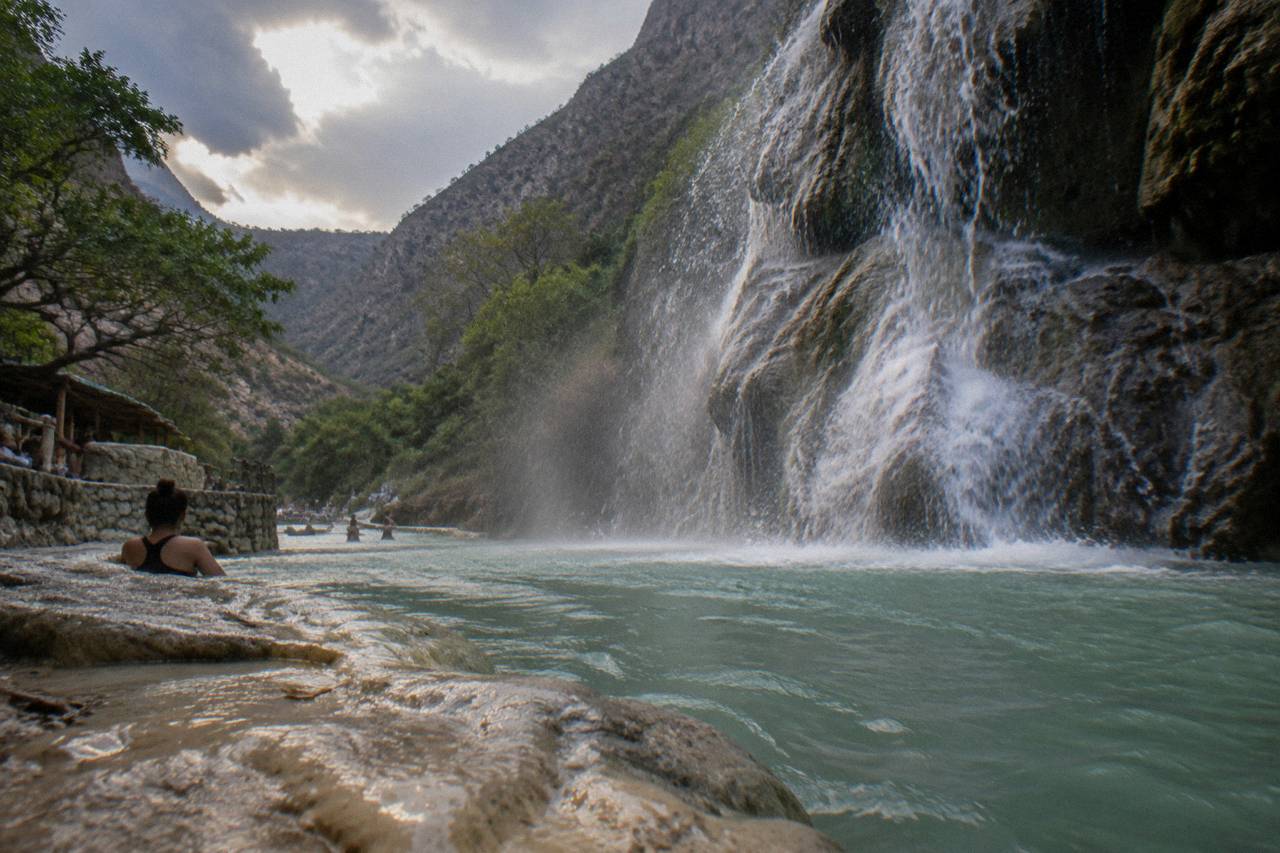
Between June and September, heavy rain washes silt into the canyon and can turn the turquoise river brown until flows settle, with several such episodes in a typical season. The pools and the cave are far less affected. The park's standing rule is to keep clear of the river during and after rain and to follow security staff instructions.
The colour change is mechanical, not chemical. Storms upstream loosen soil and organic matter from the canyon walls, and the suspended sediment scatters light brown instead of blue-green. Because the river is shallow and fast, it clears again quickly once rain stops, which is why the disruption is measured in hours rather than days. Visitors who arrive mid-rainy-season on a bright morning after two dry days frequently report perfectly turquoise water; the visitors 24 hours earlier saw the brown version.
If your only window is July or August, plan around the pattern rather than against it. Mornings are your friend, both for weather and for the brown-water clock: the further from the last storm, the better your odds. Book a tour with flexible terms, and check the live listing's cancellation policy before paying. The budget-friendly Full Day Tolantongo Caves tour, a 5.0 rating across 54 reviews and from $78 per person, is a low-commitment way to take that gamble, since the entrance, at 230 MXN per person per day per the park's official costs page, is the cheapest part of a bad-weather day.
One planning note that saves arguments at the ticket window: the entrance ticket covers both zones, La Gruta and Paraiso Escondido, and all the attractions in them, but it does not reach La Gloria, the separate ejido territory across the river with its own entry system. If a brown river would ruin your one Tolantongo day, the honest answer is to shift your dates, because no ticket or tour can promise water colour.
Weekday Or Weekend: When Are The Crowds Smallest?
Tuesday to Thursday is the quietest window at Tolantongo in any season, with weekdays generally far calmer than weekends and Mexican holidays the busiest of all. The difference is large enough that a rainy-season weekday can beat a dry-season weekend for comfort. Arriving before 8 or 9 am softens a weekend visit but does not erase it.
The crowd engine here is domestic. Tolantongo is a flagship weekend trip for Mexico City, Pachuca, and Querétaro families, so Saturdays, Sundays, official puentes, and school vacation weeks fill the canyon regardless of what the international calendar is doing. Semana Santa is the annual peak, and the December holidays run close behind. Between those spikes, weekday crowds thin dramatically, and tour seating, parking, locker rentals, and pool space all get easier.
| Day Type | Typical Crowd Feel | What Books Out First | Best Counter-move |
|---|---|---|---|
| Tuesday to Thursday | Quietest | Rarely anything | None needed |
| Monday or Friday | Moderate | Weekday tours | Book 1 to 2 weeks out |
| Saturday or Sunday | Busy | Lockers, pools, parking | Arrive by 7 am opening |
| Puente or long weekend | Very busy | Camping and hotel rooms | Book far ahead or skip |
| Semana Santa | Peak | Everything | Avoid, or commit early |
Weekend warriors should also remember the park's cash rule at exactly the moment it bites: entrance, parking at 50 MXN per vehicle, the 300 MXN zipline, and the 150 MXN lockers are all cash only, and the nearest ATM is roughly an hour away in Ixmiquilpan. A weekend queue plus an empty wallet is a bad combination, and there is no card machine to rescue you. The park's information page states the cash-only rule without exceptions.
For travelers weighing a self-drive against a seat on a bus, the weekend calculus tilts further toward tours: the final 20 km descent is narrow and winding, and parking inside the canyon is finite. Our Tolantongo tour versus going on your own comparison runs the full numbers, including the combi connection from Ixmiquilpan.
Should You Visit During Semana Santa Or The December Holidays?
Only if you book early and accept peak conditions. Semana Santa 2027 falls from 21 to 28 March, and both Holy Week and the 24 to 31 December window draw the largest crowds of the year, with lodging on site limited and much of it first-come, first-served. The water is warm and the weather is pleasant in both windows; the people are the cost.
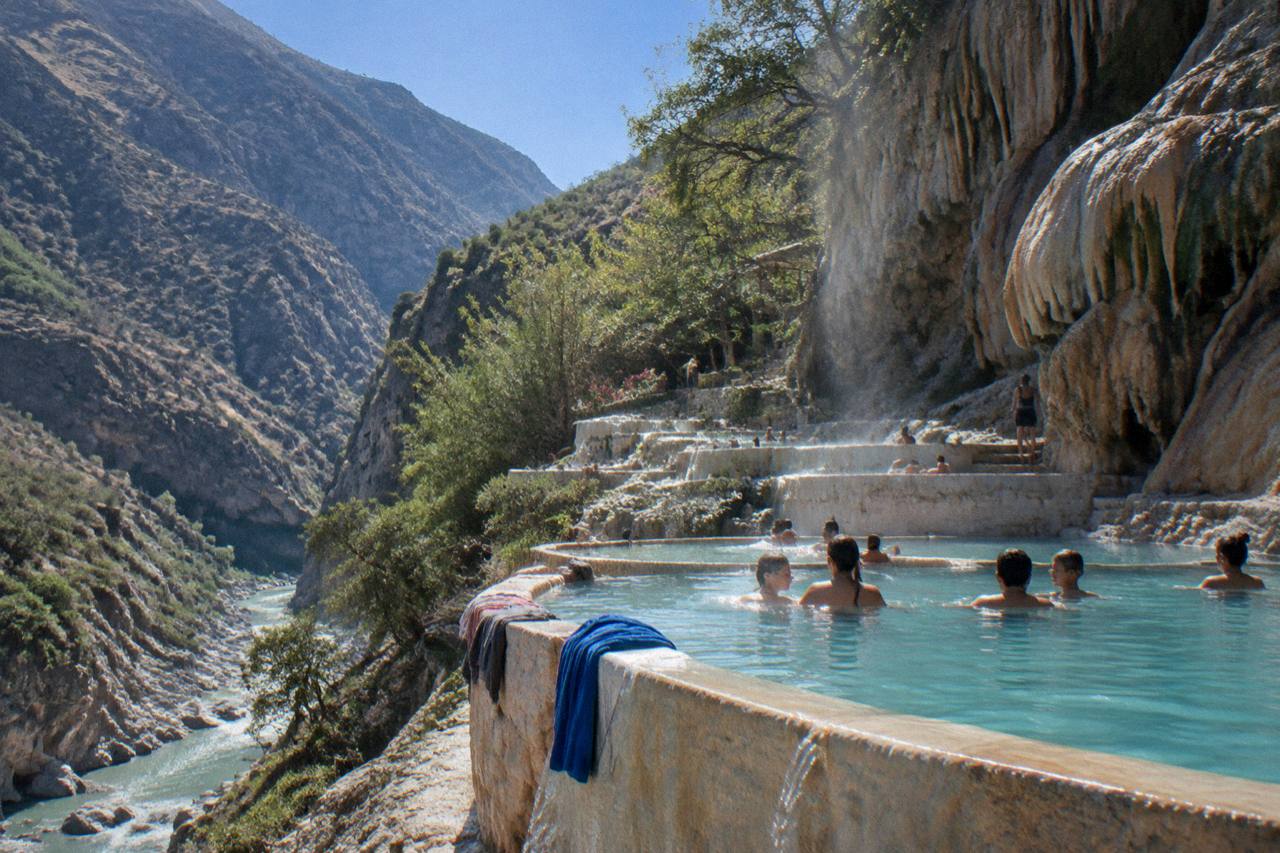
Semana Santa deserves special caution from anyone hoping for the photographs they have seen online. The canyon is beautiful, the weather is dry, and the river is usually clear, but the crowd is at its annual maximum, and the on-site hotel sections that operate on arrival-only allocation fill first. Only the Rancho and Paraiso #2 sections take reservations by WhatsApp; La Gruta, La Huerta, and Paraiso Escondido rent on a walk-up basis, per the official lodging page. Campers face the same squeeze, since camping takes no reservations at all.
If a holiday week is your only option, an early-departure tour is the most reliable way to reclaim part of the day. The Early & Express Tolantongo Hot Springs trip, 4.9 across 680 reviews and from $133 per person, is designed to front-run the crowds, with a 13-hour day that trades late-morning lounging for a quieter canyon. Check availability on the live listing early, because holiday-date seats are the first to go.
The December holidays have one genuine upside beyond the season itself: dry, clear, cool weather that makes the 36 to 38 degree water feel best. Nights are cold, so day-trippers on a 14-hour itinerary, like the full-day Exploring the Waters tour at 4.8 across 1,575 reviews, should pack a layer for the return drive. The water temperature claim comes straight from the park's own gruta page.
Which Tour Fits Each Season At Tolantongo?
Match the tour to the season's constraint: in the dry-season peak, book early departures like the early express tour to beat crowds; in the rainy season, prefer cheaper, flexible bookings; and in shoulder-season weekdays, take the longest itinerary you can handle, since on-site time is the whole product. Prices run from $78 to $140 per person across shared Mexico City day trips.
The full-day Exploring the Waters of Tolantongo tour is the most reviewed listing on this site, 4.8 across 1,575 reviews, from $134 per person, and its 14 to 16 hours suit a quiet weekday when the canyon rewards lingering. The Amigo Tours small-group option, 4.6 across 352 reviews from $92, keeps the group small. And the Incredible Tolantongo Grottoes trip at 4.2 across 177 reviews from $120 is a reminder to read recent reviews for the season you are booking, since a rainy-season review of brown water is not a rainy-season promise of one.
| Tour | Price From | Duration | Rating | Best Season Fit |
|---|---|---|---|---|
| Early & Express Tolantongo Hot Springs | $133 per person | 13 hours | 4.9, 680 reviews | Dry season and holidays |
| Full-Day Exploring the Waters | $134 per person | 14 to 16 hours | 4.8, 1,575 reviews | Quiet weekdays, Oct to Dec |
| Tolantongo Caves Small Group Tour | $132 per person | 14 hours | 4.7, 724 reviews | Any season, small-group preference |
| Tolantongo Caves, Hot Springs & Waterfalls | $92 per person | 14 hours | 4.6, 352 reviews | Budget rainy-season bet |
| Full Day Tolantongo Caves | $78 per person | 12 hours 30 minutes | 5.0, 54 reviews | Cheapest flexible option |
Whichever you choose, the booking page shows the live price and the exact pickup details, and tours from Mexico City depart very early, so the night before matters as much as the date itself. The day trip from Mexico City guide lays out the full hour-by-hour shape of these itineraries.
Picking a date at Tolantongo is really three smaller decisions stacked together: a month that gives you dry weather and a clear river, a weekday that keeps the crowds honest, and an hour of arrival that puts you in the canyon before the buses. Get two of the three right and you will swim in turquoise water. Get all three right, on a Tuesday in November at 7 am, and you will understand why Grutas de Tolantongo Tours treats timing as the single most powerful planning decision for this park.
Common Questions About The Best Time To Visit Tolantongo
What is the best time to visit Grutas, Tolantongo?
The same answer holds however you punctuate it: October to December on a weekday, early in the morning. Weekends and Mexican holidays are far busier than weekdays in every season, and the water temperature never changes, holding 36 to 38 degrees Celsius all year.
Does the rainy season ruin the river?
Not permanently. From June to September, heavy storms can turn the river from turquoise to brown, though it clears again once the rain stops. The cave, tunnel, and pools are far less affected, and the park directs visitors to stay clear of the river during rain and follow security staff.
Is Tolantongo crowded on weekends?
Yes, consistently. Weekdays are the quiet days, weekends are busy, and holiday weekends plus Semana Santa are the busiest of all. Arriving before 8 or 9 am on a weekend softens the experience but does not remove the crowds.
Is December a good time to visit Tolantongo?
December is one of the best months for weather and water clarity, with cold nights that make the 36 to 38 degree water feel especially good. The catch is the 24 to 31 December holiday window, which draws some of the year's largest crowds; early December is the smarter pick.